
Short version: Japandi is Japanese and Scandinavian design fused together, the coziness of Scandi minimalism plus the calm, grounded simplicity of Japanese interiors. It's minimalist but warm, built on natural materials, a muted earthy palette, low furniture, handmade objects, and wabi-sabi, the appreciation of imperfect, natural beauty. In one line: less stuff, more soul.
Japandi is what happens when the two most beloved minimalist traditions turn out to want the same things: less clutter, natural materials, honest craft, and a deep sense of calm. Scandinavian design brings the warmth and light; Japanese design brings the discipline and soul. Together they make the rare style that feels both serene and genuinely lived-in. (For the wider field, start with the guide to interior design styles.)
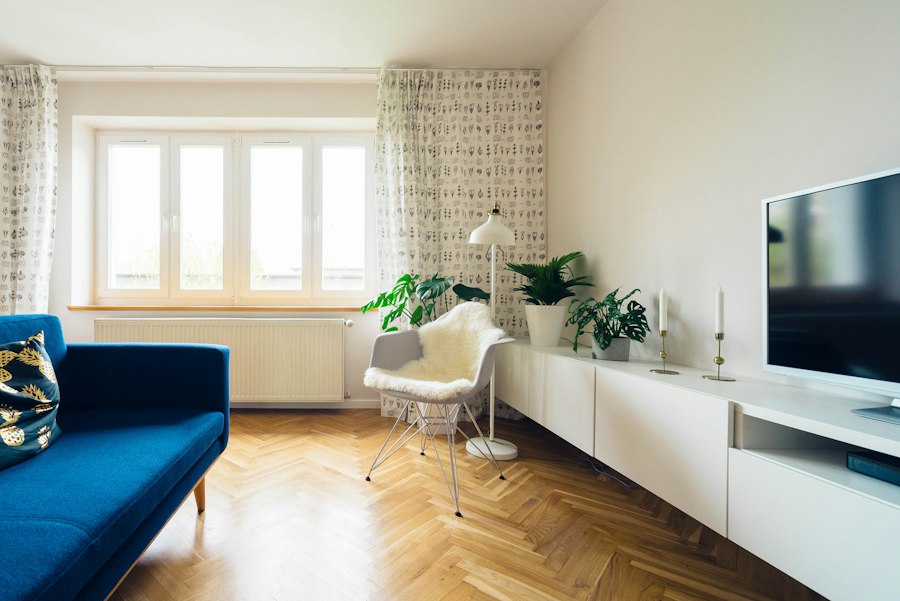
What Japandi design is
Both cultures arrived at minimalism from different directions. The Japanese tradition prizes restraint, natural materials, and a spiritual calm, rooms built around empty space, low furniture, and a connection to nature. Scandinavian design prizes warmth, function, and light, the hygge instinct to make a spare room feel cozy through wood, wool, and soft light. Japandi keeps what they share and lets each cover the other's weakness: the Japanese side keeps Scandi from getting twee, and the Scandi side keeps the Japanese austerity from getting cold.
What you end up with is a room that's calm without being empty and warm without being cluttered. Low, simple furniture. Natural wood, often a mix of pale and dark. A muted, earthy palette. A few handmade, imperfect objects that clearly mean something. The goal isn't a look so much as a feeling, the exhale you take when you walk into a room with nothing shouting at you.
Wabi-sabi, the heart of it
You can't fake Japandi without this, so it's worth understanding. Wabi-sabi is the Japanese appreciation of imperfect, impermanent, natural beauty, the crack in the ceramic, the grain in the wood, the way linen wrinkles and leather ages. It's the opposite of the glossy, mass-produced, everything-matches instinct.
In practice, wabi-sabi is what stops Japandi from turning into cold minimalism. It's the reason you choose a handmade stoneware mug over a perfect white one, a solid oak table with visible grain over a flawless veneer, a hand-thrown vase with a slightly off lip. Those honest, imperfect materials are what give the style its warmth and its soul. A Japandi room full of flawless factory objects misses the entire point, it looks like Japandi and feels like a showroom.
Key elements checklist
Run a room against these five markers. Japandi usually goes wrong on furniture height and by being too perfect.
- Low, simple furniture. Platform beds, low sofas and tables. The lower sightline is core Japanese calm and instantly reads Japandi.
- A mix of light and dark wood. Pale Scandinavian ash or oak balanced with darker, Japanese-leaning walnut. Wood is the star material.
- A muted, earthy palette. Warm neutrals grounded with charcoal and black, nothing bright.
- Handmade, imperfect objects. The wabi-sabi layer, ceramics, linen, woven baskets, honest and a little irregular.
- Restraint and negative space. Clutter-free, with a few meaningful things and room to breathe around them.
Palette and materials
Japandi lives in a muted, earthy range: warm whites, oatmeal, clay, taupe, and soft sage or olive, grounded by charcoal and black for quiet contrast and definition. That black grounding is the Japanese contribution, a single dark line, a charcoal cushion, a black-framed screen, and it's what separates Japandi from purely pale Scandinavian. Color stays natural and low in saturation throughout, so nothing breaks the calm.
Materials are everything, and they should feel honest. Wood in a mix of tones, linen and cotton and wool, stoneware and ceramic, paper (think shoji-style light and lanterns), rattan and bamboo, plus real greenery, one sculptural plant, not a jungle. Everything should look like it came from the earth and was made by a person. This restraint suits newer, well-lit Greater Philadelphia homes and condos beautifully, where clean architecture gives the natural materials room to speak.
Japandi room by room
The principles hold everywhere: low, natural, calm, imperfect. Here's where each room earns its keep.
Living room
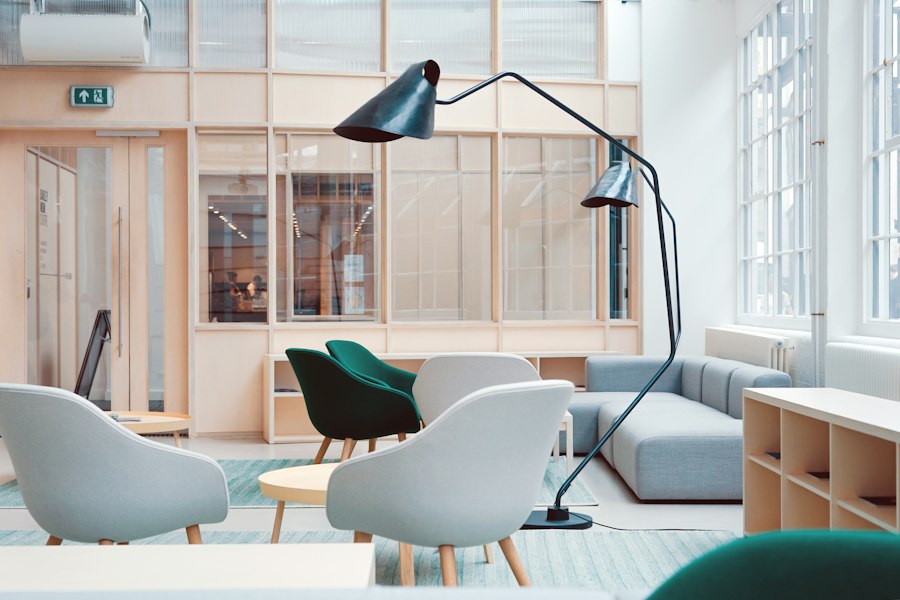
- Anchor with a low, simple sofa in oatmeal or clay, and a low wood coffee table with visible grain. Keep the sightline down.
- Ground it with one dark note, a charcoal cushion, a black metal lamp, so the room has depth, not just softness.
- Add life with a single sculptural plant and one or two handmade ceramics. Leave the rest of the surfaces open.
Bedroom
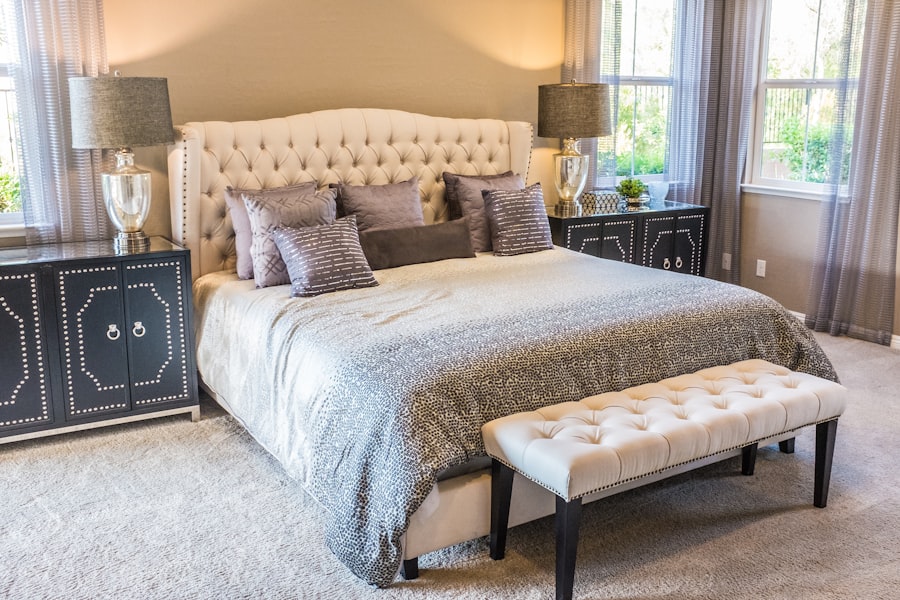
- Start with a low platform bed in natural wood, dressed in linen within a warm, earthy range.
- Flank it with simple wood nightstands and soft, paper-shade or fabric lighting for a warm, diffused glow.
- Keep it nearly bare on purpose, one piece of calm art, one plant, and clear surfaces. The restraint is the luxury.
Kitchen and dining
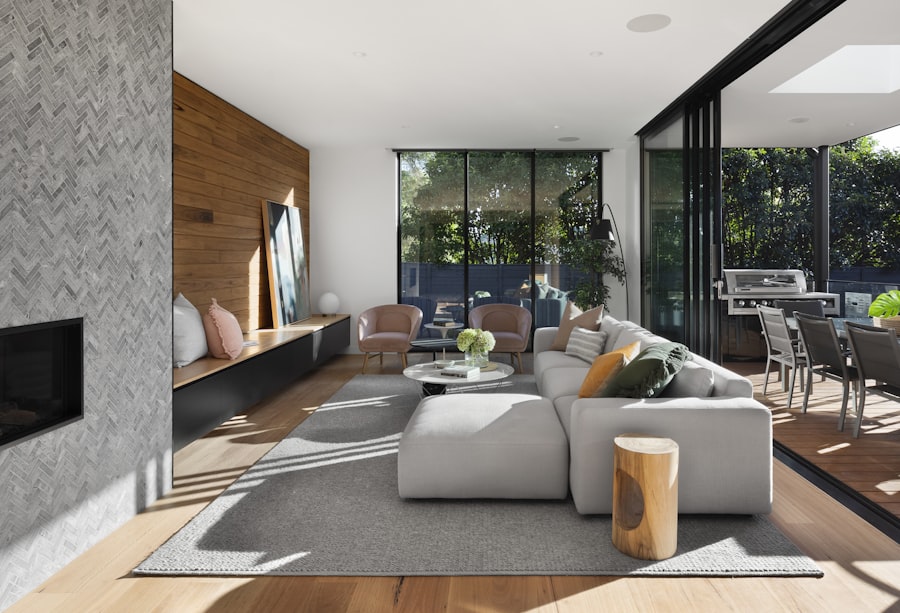
- Flat, simple cabinetry in warm wood or muted matte tones, with clutter tucked away and counters clear.
- Center dining on a solid wood table with honest grain and low, simple chairs or a bench.
- Style with handmade stoneware and a single woven or ceramic centerpiece, useful, natural, and made by hand.
How to get the look
- Declutter first, Japandi is mostly restraint, and that part is free.
- Go low: lower furniture instantly shifts a room toward Japandi.
- Mix light and dark wood, and ground the palette with one charcoal or black note.
- Choose handmade and imperfect over flawless and mass-produced, this is the wabi-sabi soul.
- Add natural texture and one sculptural plant, then stop while there's still space to breathe.
Japandi is a feeling as much as a look, and it's easy to land halfway, too bare or too busy. A Fresh Eyes Visit dials it in for your room: 90 minutes, a written plan in 48 hours, one room, $350 to $500. Greater Philadelphia.
Japandi vs. minimalist and Scandinavian
vs. Minimalist: pure minimalism can lean light, precise, and a little cool. Japandi keeps the restraint but adds darker wood, handmade imperfection, and an earthy warmth, so it feels soulful rather than spare. Japandi is minimalism with warmth and age built in.
vs. Scandinavian: Scandinavian is lighter, brighter, and cozier, more pale wood and white. Japandi takes that warmth and grounds it with Japanese darkness, lower furniture, and wabi-sabi, so it reads calmer and a touch more serious. If Scandi is a bright, cozy morning, Japandi is a quiet, warm dusk.
Who Japandi is for
It's for people who want calm above all, who are drawn to natural materials and honest craft, and who'd rather a room feel intentional than full. It suits anyone burned out on clutter and noise, works especially well in homes with good light and clean lines, and rewards buying slowly, a few real, handmade things over a cart full of fast decor. The one caveat: like all minimalism, it needs you to keep the clutter at bay, and it asks you to care about materials over quantity. If that sounds like a relief, Japandi is very much your style. For its two parents, see minimalist design and the full styles guide.
Ready to bring Japandi calm into your own home? See how JG works as an interior decorator in Greater Philadelphia.