
Short version: Scandinavian interior design is minimalism with the coziness turned all the way up. Light, airy rooms and a white-and-wood palette meet soft textiles, functional furniture, and warm layered light, all in service of hygge, that feeling of cozy contentment. It's clean but never cold, spare but genuinely comfortable, and it's the reason "minimal" and "warm" stopped being opposites.
Scandinavian design was born of long, dark Nordic winters and small city apartments, which turns out to be the perfect training for making a modest, spare room feel bright and deeply comfortable. That practical origin is why it works so well in ordinary homes: it was designed for real life, real light, and real budgets. (For the wider field, start with the guide to interior design styles.)
What Scandinavian design is
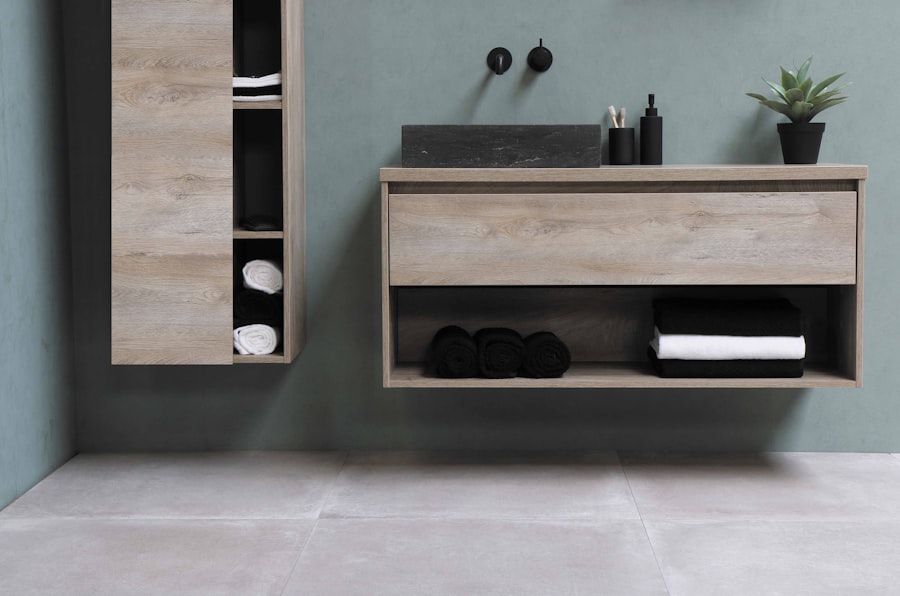
At its core, Scandinavian design is functional minimalism made warm. Everything earns its place and clutter stays low, the minimalist part, but the room is softened at every turn with pale wood, cozy textiles, greenery, and light. Furniture is clean-lined but comfortable, often mid-century in silhouette, and the whole space is arranged around getting the most out of natural light.
What separates it from stricter minimalism is warmth as a first principle rather than an afterthought. A Scandinavian room wants you to curl up in it. The Nordics figured out that a spare room doesn't have to feel austere if you build coziness in on purpose, through texture, wood, and the quality of the light. That's the whole trick, and it's why the style has stayed beloved for the better part of a century.
Hygge, the feeling behind it
You can't understand Scandinavian design without hygge (roughly "HOO-guh"), the Danish idea of cozy, comfortable contentment. It isn't a look you buy; it's a feeling you build, the pleasure of a soft blanket, warm candlelight, a hot drink, a room that invites you to slow down and stay.
In practice, hygge is what stops a pale, minimal Scandinavian room from reading cold. It's the wool throw over the arm of the sofa, the cluster of candles, the warm 2700K light instead of a harsh overhead, the sheepskin on the chair. When people say a Scandinavian room feels inviting despite having so little in it, hygge is what they're feeling. Build the coziness in deliberately and the minimalism takes care of itself.
Key elements checklist
Run a room against these five markers. Scandinavian usually fails when it forgets the cozy half and goes all-white and bare.
- A light, airy base. White or soft-gray walls that bounce every bit of natural light around the room.
- Pale wood everywhere. Ash, birch, and light oak in floors and furniture, the warm counterweight to all that white.
- Soft, layered textiles. Wool, linen, sheepskin, and chunky knits, the cozy that makes it hygge.
- Clean-lined, functional furniture. Simple, often mid-century silhouettes, beautiful and genuinely useful.
- Warm light and greenery. Layered lamps over harsh overheads, plus plants to bring the outside in.
Palette and materials
The Scandinavian palette is light on purpose: white and soft gray walls, warm neutrals, and pale woods, all chosen to make the most of scarce winter light. Accents stay gentle, dusty blue, soft blush, muted sage, with black used only in small graphic doses, a slim lamp, a picture frame, to give the eye somewhere to land. It never gets loud, because the brightness and the wood are doing the emotional work.
Materials keep it grounded and warm: light wood as the hero, then wool, linen, cotton, sheepskin, leather, and plenty of plants. The magic is the contrast between the cool, bright shell and the warm, tactile layers inside it. This translates well to Greater Philadelphia rowhomes and twins, often narrow and light-starved, where a pale Scandinavian palette and mirrors can make a dim, slim room feel twice as bright.
Scandinavian room by room
Light and airy plus cozy and natural, everywhere. Here's how the balance plays out room to room.
Living room
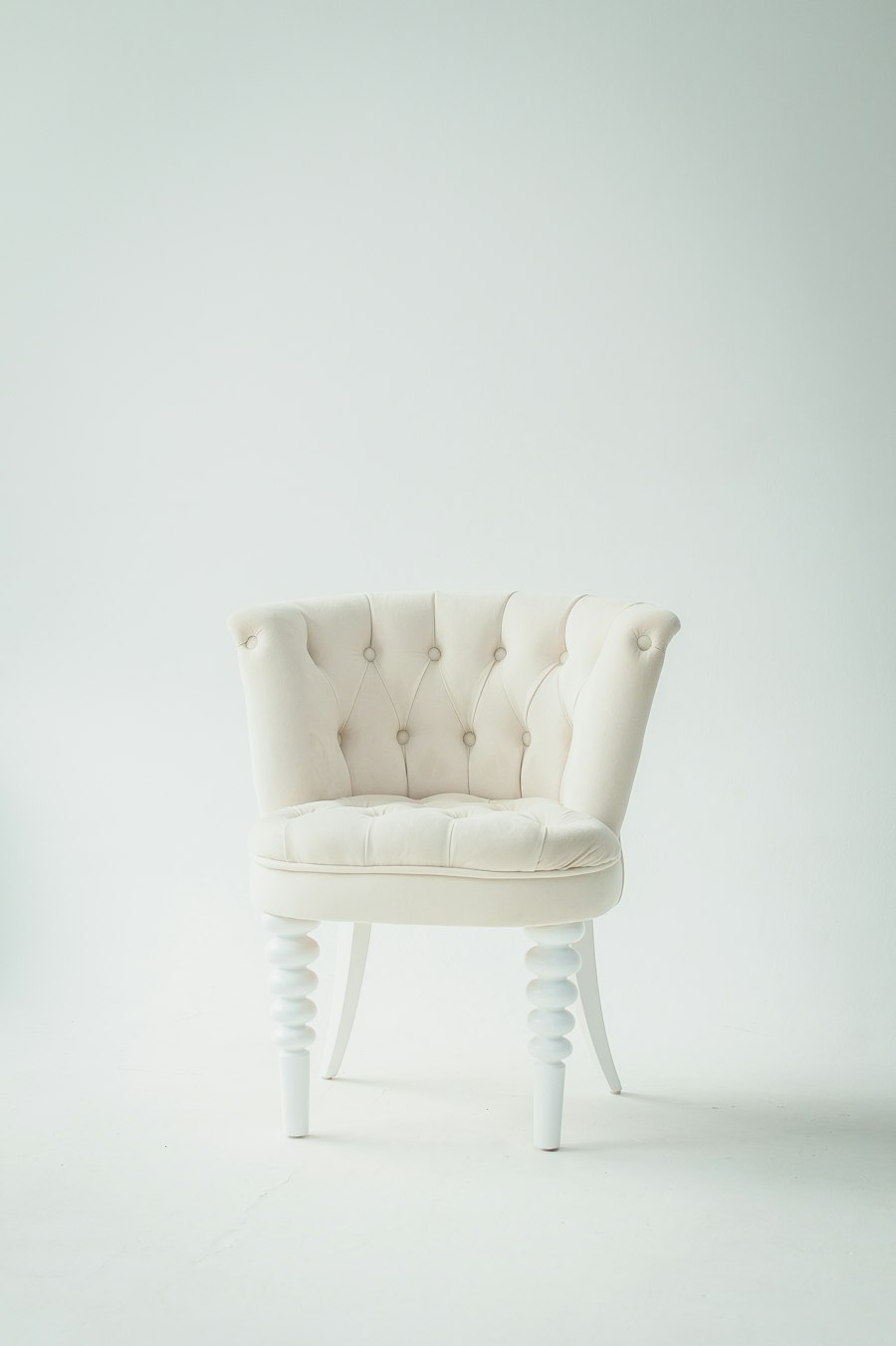
- Start with a clean-lined sofa in light gray or cream on pale wood legs, then pile on the hygge, a wool throw, linen cushions, a sheepskin.
- Keep the coffee table simple light wood, and let a large plant and a few candles do the softening.
- Light in warm layers, a floor lamp and a table lamp beat one cold ceiling fixture every time.
Bedroom
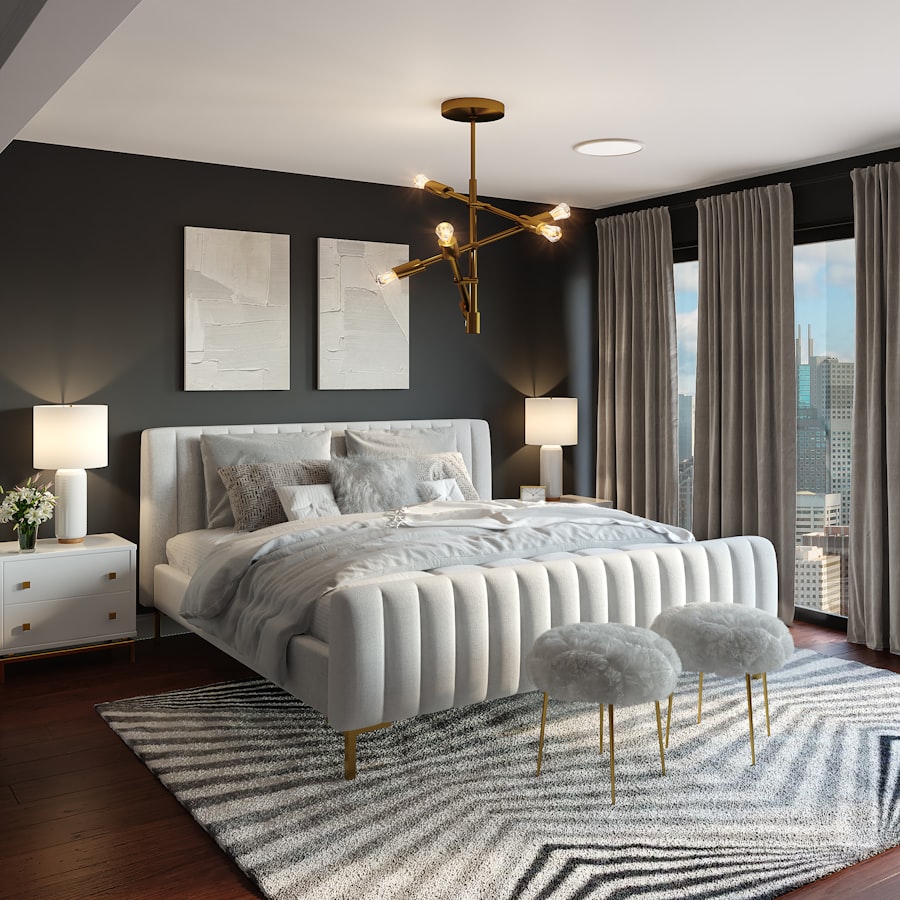
- A simple wood or upholstered bed dressed in white or oatmeal linen, layered with a chunky knit or wool throw for warmth.
- Pale wood nightstands, warm bedside lamps, and one or two plants keep it calm and alive.
- Let the walls stay light and mostly clear, with a single piece of quiet art. Airy is the point.
Kitchen and dining
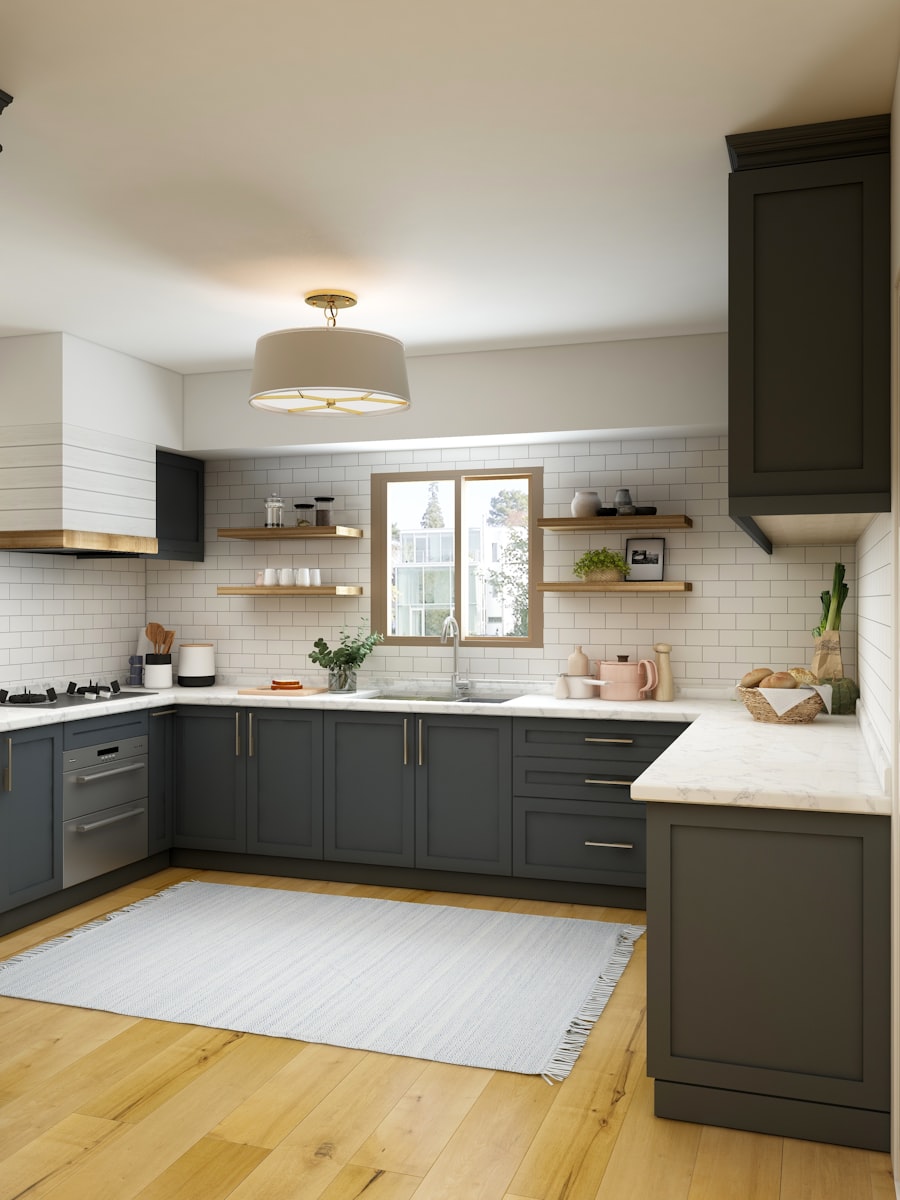
- White or light cabinetry with wood counters or open wood shelving, clean, bright, and functional.
- A pale wood table with clean-lined chairs, warmed by a linen runner and simple ceramics.
- Hang one sculptural pendant, add a plant on the sill, and keep the counters clear so the light carries.
How to get the look
- Lighten the shell: pale walls, pale wood floors, light furniture.
- Choose clean-lined, functional pieces, mid-century silhouettes fit perfectly.
- Build the cozy in on purpose, wool, linen, sheepskin, chunky knits.
- Light warm and layered, never one harsh overhead, and add candles.
- Bring in plants, declutter, and let the natural light run the room.
Scandinavian lives or dies on the balance of bright and cozy, and light-starved older homes need help getting there. A Fresh Eyes Visit tunes it for your space and light: 90 minutes, a written plan in 48 hours, one room, $350 to $500. Greater Philadelphia.
Scandinavian vs. minimalist and Japandi
vs. Minimalist: Scandinavian is the cozier, warmer branch of minimalism, more wood, more textiles, more plants. If strict minimalism feels too bare, Scandinavian is the same discipline with hygge added.
vs. Japandi: Japandi takes Scandinavian warmth and grounds it with Japanese darkness, lower furniture, and wabi-sabi imperfection. Scandinavian is lighter, brighter, and airier; Japandi is calmer, darker, and more grounded. Same family, different mood, one a bright cozy morning, the other a quiet warm dusk.
Who Scandinavian is for
It's for people who want clean and cozy at once, who love light and natural materials, and who'd rather a room feel warm and easy than grand. It's forgiving and family-friendly, works wonders in small or dark homes because the pale palette stretches the light, and it never really dates because it's built on function, not fashion. The only real caveat: get the cozy layers wrong and it tips toward cold and clinical, so the textiles and lighting aren't optional, they're the whole point. For its stricter parent and its moodier cousin, see minimalist design and the full styles guide.
To get a Scandinavian feel in your own space, an interior decorator turns the idea into the finished room. JG serves Greater Philadelphia.