
Short version: minimalist interior design keeps only what a room needs and earns, so space, light, and a few good pieces do the work. The mistake people make is reading minimalism as empty and white. Real minimalism is calm and warm, built on a neutral palette, natural materials, and hidden storage. It's not about owning nothing. It's about nothing in the room being an accident.
Minimalism is the most misunderstood style there is. People picture a bare white box and decide it's not for them. But strip away the stereotype and what's left is the thing almost everyone actually wants: a room that feels calm the second you walk in, where nothing is fighting for your attention. (For the wider field, start with the guide to interior design styles.)
What minimalist design is
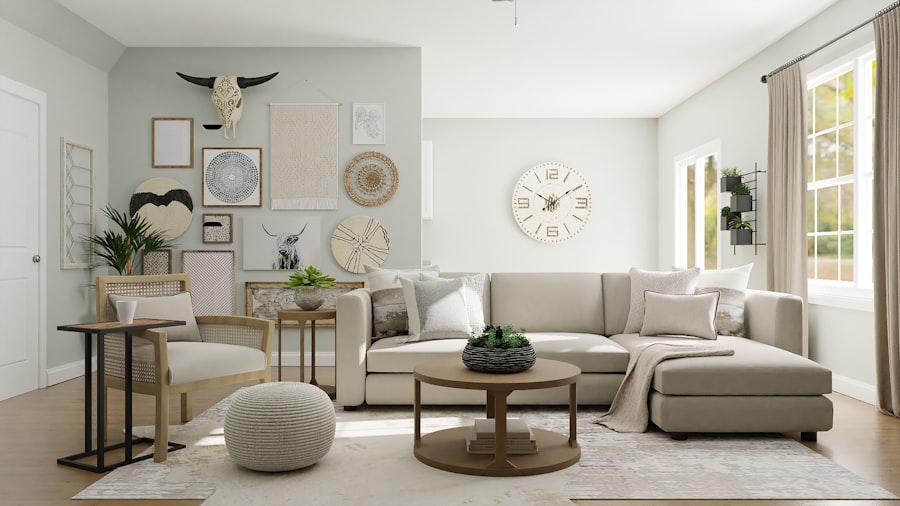
Minimalism comes down to one discipline: subtraction. You take a room back to what it needs, then stop. Every piece that stays has to earn its place by being useful, beautiful, or both. The negative space around those pieces isn't emptiness, it's the whole point, because it's what lets the good things breathe and read clearly.
The part people miss is that minimalism is a lot of work to do well. Anyone can have a cluttered room. A minimalist room hides its effort: the storage that swallows the clutter, the single well-chosen sofa instead of three so-so ones, the restraint it takes to leave a wall alone. The look is simple. Getting there is not. When it lands, the reward is a home that feels lighter to live in, less to clean, less to trip over, less noise in your head.
Warm minimalism vs. the cold kind
This is the whole game, so it gets its own section. The reason minimalism gets a bad name is cold minimalism: all-white walls, hard glossy surfaces, chrome and glass, nothing soft to land on. Technically minimal, genuinely unpleasant to sit in.
Warm minimalism keeps the same restraint but changes the ingredients. The whites turn to warm whites and oatmeal. The hard surfaces get balanced with real wood, stone, wool, and linen. The lighting comes in warm layers instead of one cool overhead. Same discipline, opposite feeling, one reads like a dentist's office and the other reads like a quiet, expensive calm. If you take one thing from this page: minimalism's warmth lives in materials and light, never in adding more objects.
Key elements checklist
Run a room against these five markers. Minimalism usually fails on storage and materials, not on having too much furniture.
- Ruthless editing. Fewer pieces, each one intentional. If it isn't useful or genuinely loved, it goes.
- Hidden, generous storage. The secret weapon. A minimalist room isn't clutter-free by luck, it's clutter-free because everything has a closed home.
- A tight, warm-neutral palette. Two or three tones, no more, so the eye rests.
- Natural materials for warmth. Wood, stone, wool, linen, doing the job that color and pattern do in busier styles.
- Negative space, on purpose. Empty wall and open floor are design choices here, not gaps to fill.
Palette and materials
A minimalist palette is deliberately narrow: warm whites, oatmeal, greige, soft taupe and stone, with black or charcoal used in small, sharp doses for contrast and definition. Color is rare and, when it shows up, muted and earthy, one olive cushion, a clay vase, never a feature wall. The restraint isn't about denying yourself color; it's that in a spare room, one saturated thing takes over, and minimalism doesn't want anything taking over.
Materials carry the entire emotional load, which is why they matter more here than in any other style. A pale oak floor, a linen sofa, a chunky wool throw, a rough stone or ceramic bowl, these are what keep a stripped-back room from feeling like a showroom. Texture is the color of a minimalist room. This works beautifully in newer Greater Philadelphia construction and condos, where clean bones and good light are already there and the room just needs editing and warmth rather than more furniture.
Minimalist room by room
The discipline is the same everywhere: subtract, then warm. What changes is where the clutter tends to hide.
Living room
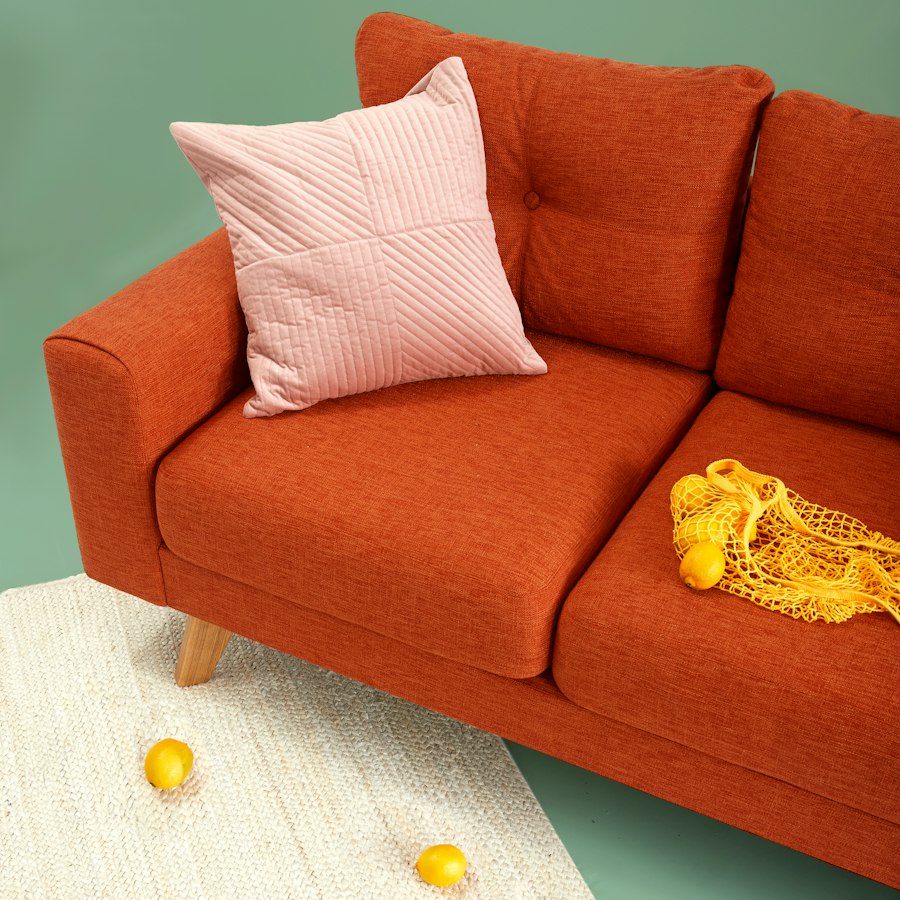
- Start with one well-made sofa in a warm neutral, then resist adding a second seating group. Let the floor stay open.
- Choose a single low wood or stone coffee table and a soft, low-contrast rug. Skip the side tables you don't use.
- Give the room one quiet focal point, a large piece of art or a window view, and leave the other walls alone.
Bedroom
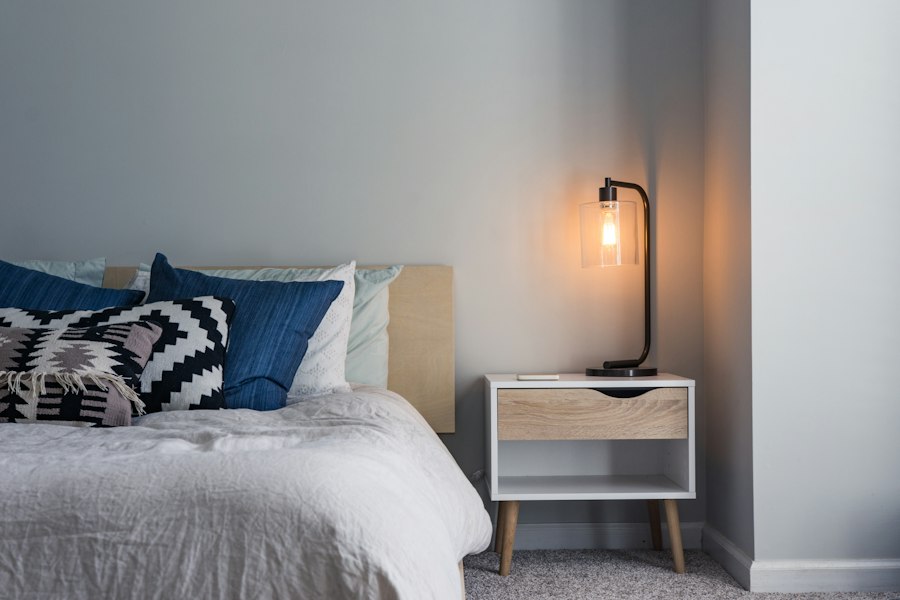
- A low, simple bed and warm-white linen bedding do most of the work. Layer one wool throw for texture, not five pillows.
- Swap the dresser jungle for one piece with real closed storage, so surfaces stay clear.
- Keep nightstands to the essentials: a lamp, a book, nothing else. The calm is the feature.
Kitchen
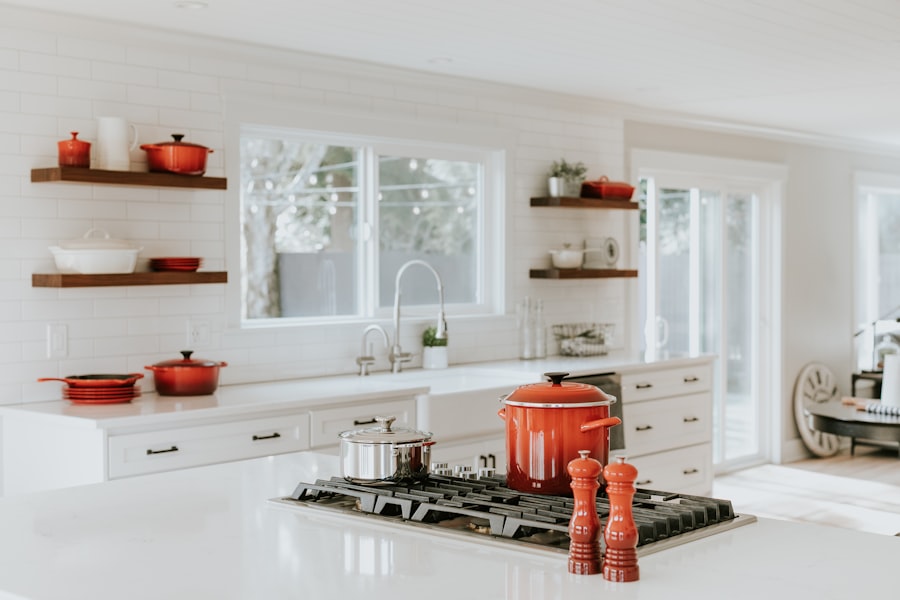
- Flat-panel or simple shaker cabinetry in a warm white or pale wood, with the small appliances stored behind a door, not on the counter.
- Pick one honest counter material and let it run uninterrupted. Clear surfaces are the whole look.
- Warm it with a wood cutting board, a single bowl of fruit, and under-cabinet light so it never reads clinical.
How to get the look
- Edit first, buy second. Remove everything, then return only what earns its place.
- Solve storage before anything else, closed storage is what makes minimalism possible.
- Choose a warm-neutral base, not stark white.
- Invest in fewer, better pieces and real materials, wood, stone, wool, linen.
- Light in warm layers, and leave negative space alone once you've earned it.
Minimalism is easy to picture and hard to land, the line between calm and cold is thin. A Fresh Eyes Visit gets it right for your actual room: 90 minutes, a written plan in 48 hours, one room, $350 to $500. Greater Philadelphia.
Minimalist vs. Scandinavian and Japandi
vs. Scandinavian: Scandinavian design is a warm, cozy branch of minimalism, more wood, softer textiles, a little more on the shelves. If pure minimalism feels too strict, Scandinavian is minimalism with the coziness turned up.
vs. Japandi: Japandi blends Japanese and Scandinavian minimalism into something warmer and more grounded, with darker woods and a handmade, imperfect feel. It's minimalism with soul and a little age, where pure minimalism leans lighter and more precise. All three share the same DNA: less, but better.
Who minimalist design is for
It's for people who feel calmer with less, who'd rather own five things they love than fifty they tolerate, and who are tired of clutter as background noise. It suits busy households surprisingly well, less to maintain, and it's ideal for small homes and condos where every extra object costs you space. The one honest caveat: minimalism asks you to keep it up, because the whole look falls apart the moment the surfaces fill. If that sounds freeing rather than stressful, it's your style. For the warmer, more layered end of the spectrum instead, see transitional design, or the full styles guide.
Want a minimalist look that actually holds together in your own rooms? That is what an interior decorator does, across Greater Philadelphia.