
Short version: coastal interior design captures the calm, breezy, light-filled feeling of a home near the water, without a single anchor or seashell in sight. It's built on a soft palette of whites, sandy neutrals, and watery blues and greens, lots of natural light, and casual natural materials, linen, rattan, jute, light wood. The modern version evokes the shore through light and texture, not literal beach decor.
Coastal is one of the most loved and most misunderstood styles there is. Done badly it's a wall of rope, anchors, and "beach" signs. Done well it's simply a light, airy, exhale of a home, the feeling of a seaside morning, whether or not you can actually see the water. (For the wider field, start with the guide to interior design styles.)
What coastal design is
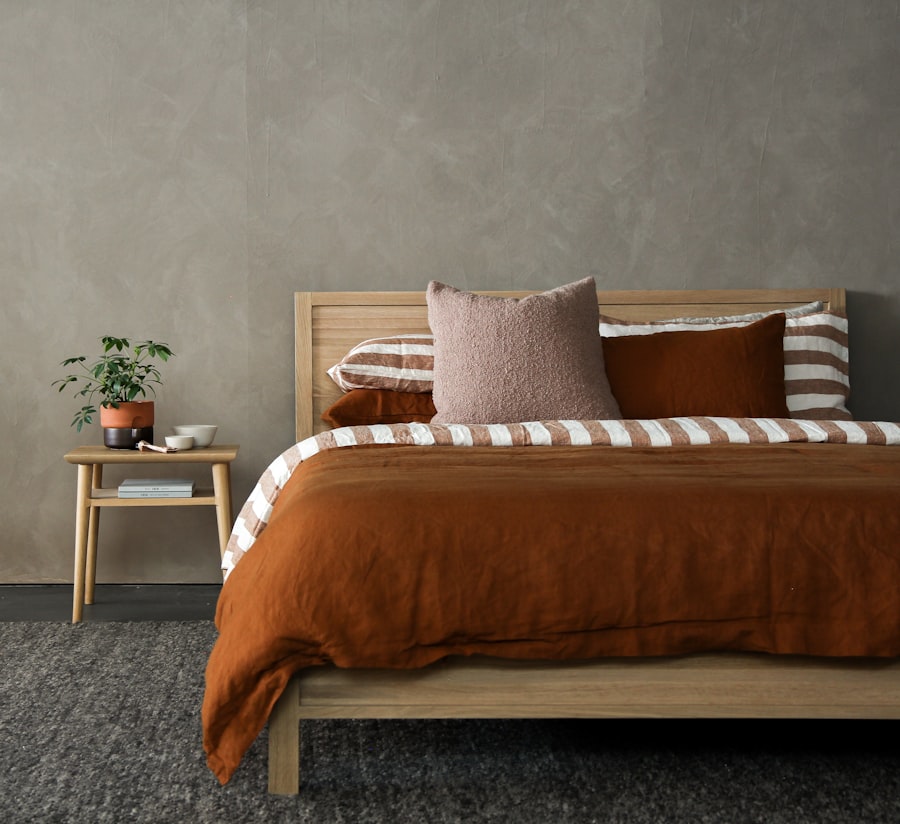
Coastal design is really about capturing a feeling, the light, air, and ease of being near the water, and translating it into a room. That means bright, open spaces, a soft sun-and-sea palette, and casual, natural materials that look better a little weathered. Furniture is relaxed and comfortable, rooms stay uncluttered so the light can move, and everything leans breezy rather than formal.
The key insight is that it's a mood, not a theme. You're not decorating with the beach; you're borrowing its qualities, the brightness, the calm, the natural texture. Get the light and the materials right and the room feels coastal without a single literal reference. That's the difference between a home that feels like a serene retreat and one that feels like a souvenir shop.
Coastal vs. nautical kitsch
This distinction is the whole ballgame, so it gets its own section. Nautical is a literal theme, navy-and-white stripes, anchors, ropes, ship wheels, sailboat art. A little goes a long way, and most rooms use far too much, which is how coastal earns its cheesy reputation.
Coastal, done well, evokes the sea through light and material instead of objects. A linen slipcovered sofa, a jute rug, weathered wood, a soft blue-green throw, sheer curtains lifting in the light, none of it says "beach" out loud, yet the room unmistakably feels like the shore. If you want one rule: suggest the coast, never announce it. One piece of driftwood or a bowl of sea glass hints at the setting; a wall of anchors kills it.
Key elements checklist
Run a room against these five markers. Coastal fails when it reaches for literal decor instead of light and texture.
- A soft, sun-washed palette. Whites, sandy neutrals, and gentle blues and greens, never bright primaries.
- Maximum natural light. Sheer or no window treatments, mirrors, and light walls to keep the room bright and open.
- Casual natural materials. Linen, cotton, rattan, jute, and light or weathered wood carry the whole look.
- Relaxed, comfortable furniture. Slipcovers, loose linen, easy shapes, nothing formal or precious.
- Airy, uncluttered rooms. Space and light are the point; a few organic touches beat a shelf of beach objects.
Palette and materials
The coastal palette is soft and light: a base of whites, creams, and sandy neutrals, layered with watery blues and sea-glass greens and warmed by natural wood. The colors stay gentle and sun-washed, think weathered driftwood and hazy sea, not bright beach-ball primaries, which is exactly what gives coastal rooms their calm. When you want more energy, deepen the blue toward navy in small doses rather than brightening the whole room.
Materials do the heavy lifting, and they should feel casual and natural: linen and cotton, rattan and wicker, jute and sisal underfoot, light and weathered woods, and lots of white and glass to keep everything bright. The slightly worn, sun-faded quality is a feature, not a flaw. And because coastal is really about light and material, it works far from any beach, it's a lovely way to make a bright Greater Philadelphia suburban home or a sunny top-floor condo feel like a year-round getaway.
Coastal room by room
Light, soft color, natural texture, everywhere. Here's how it lands in the rooms people ask about.
Living room
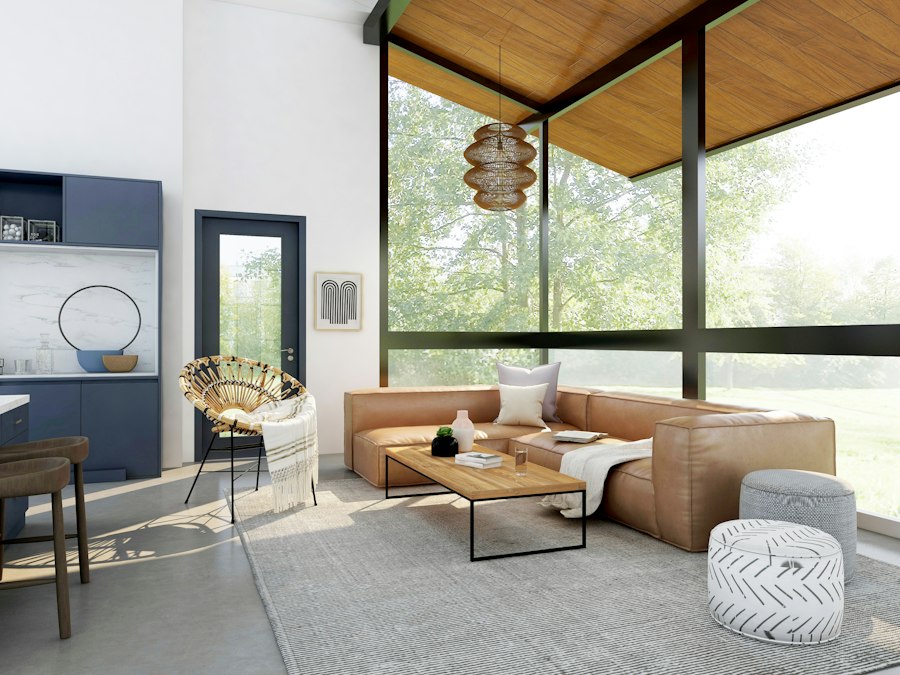
- Start with a relaxed slipcovered sofa in white or oatmeal linen, grounded by a jute or sisal rug.
- Layer in soft blue-green cushions and a light throw, plus rattan or light-wood accents for texture.
- Keep windows sheer or bare, and let one organic object, driftwood, a woven basket, hint at the setting.
Bedroom
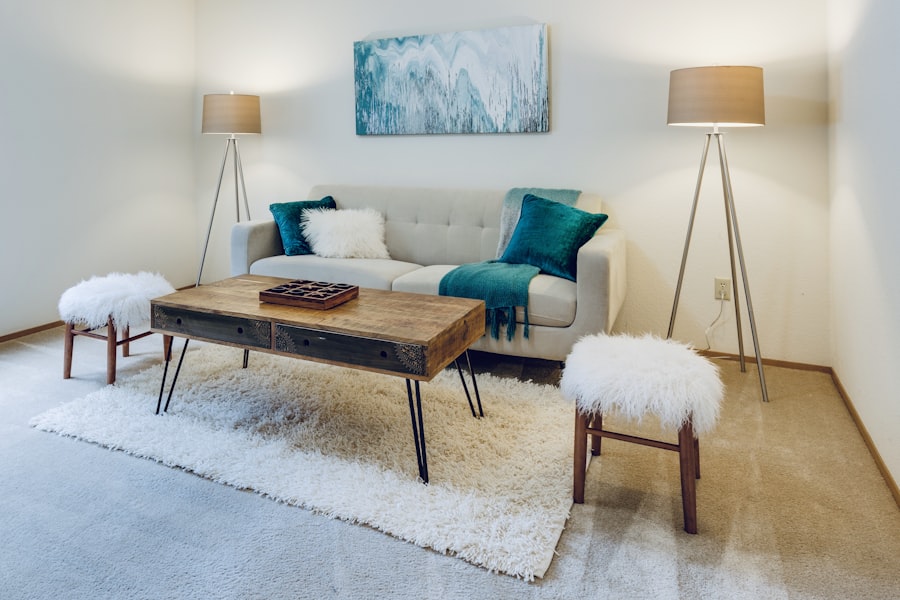
- Dress a simple bed in white or sandy linen, layered with a soft sea-glass throw for a whisper of color.
- Choose light or weathered wood nightstands and add a rattan light or woven basket for warmth.
- Keep it airy and bright, sheer curtains, a mirror to bounce light, and clear, calm surfaces.
Kitchen and dining
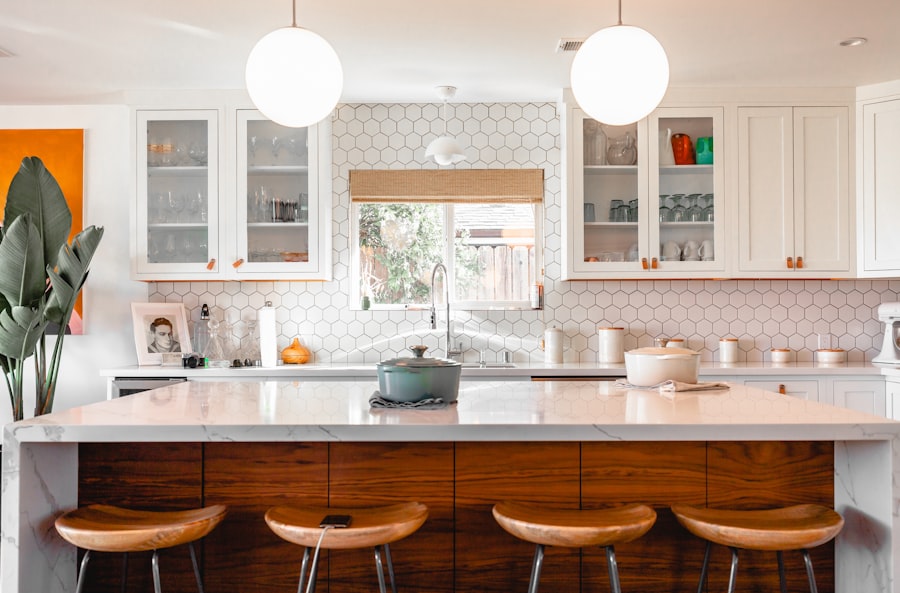
- White or light cabinetry with light-wood or woven accents keeps the room bright and casual.
- Center dining on a light or weathered wood table with relaxed, natural-fiber or slipcovered chairs.
- Add rattan pendants or woven placemats, and let a bowl of lemons or a simple green stem do the styling.
How to get the look
- Lighten everything: soft whites and sandy neutrals on walls and big pieces.
- Add color as gentle, watery blues and greens, never bright primaries.
- Layer natural materials, linen, rattan, jute, weathered wood.
- Maximize light with sheer or no window treatments and mirrors.
- Suggest the coast with one or two organic touches, and skip the literal beach decor entirely.
Coastal is a fine line, calm and breezy on one side, gift-shop on the other. A Fresh Eyes Visit keeps it grown-up for your space: 90 minutes, a written plan in 48 hours, one room, $350 to $500. Greater Philadelphia.
Coastal vs. Scandinavian and modern coastal
vs. Scandinavian: the two share a love of light, white, and natural materials, and they mix well. Scandinavian leans cozier and cooler with pale wood and hygge textiles; coastal leans breezier and warmer with a sea-and-sand palette and casual, slipcovered ease.
vs. modern coastal: classic coastal is soft and casual, while modern coastal keeps the light palette and natural materials but adds cleaner lines, a more restrained, minimal edge, and less pattern. If traditional coastal feels a touch fussy, the modern version is the same calm with sharper tailoring.
Who coastal is for
It's for people who want their home to feel like a deep breath, light, calm, and easy, and who love natural materials and a soft palette. It suits relaxed, casual households, works beautifully in bright rooms, and, despite the name, doesn't require a beach anywhere nearby. The only real pitfall is the kitsch trap: keep it about light and texture, not literal beach objects, and it reads serene rather than themed. For a close cousin, see Scandinavian design, or the full styles guide.
For a coastal look that reads calm rather than themed, an interior decorator gets the balance right. JG works across Greater Philadelphia.