
Short version: organic modern blends modern's clean lines with nature's warmth, natural materials, soft sculptural curves, and an earthy neutral palette. It's minimal but never cold: wood, stone, linen, and clay, rounded shapes, rich texture, and plenty of plants. If you've noticed everything looks warm, curvy, and calm lately, this is the style you're seeing.
Organic modern is the style behind the current mood in interiors: warm, calm, and natural, with soft curves everywhere you look. It answered a real fatigue with cold, gray, hard-edged minimalism by keeping the clean simplicity and adding back everything that makes a room feel good to be in. (For the wider field, start with the guide to interior design styles.)
What organic modern is
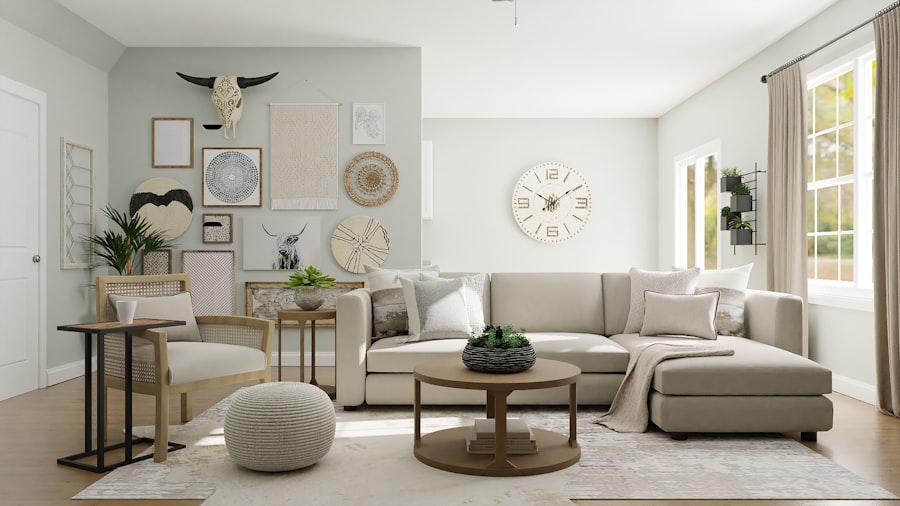
Organic modern takes the restraint and clean lines of modern design and marries them to the warmth of the natural world. Where strict modern can feel hard and cool, organic modern softens everything: the straight lines get balanced by curved, sculptural forms; the cool surfaces get replaced by warm wood, stone, and clay; the neutral palette warms up to earthy creams and browns. Nature is always present, in the materials, the textures, and the plants.
The result is a room that feels serene and grounded, pared-back but deeply inviting. It's the sweet spot between minimalism and comfort: as calm and uncluttered as minimalism, as warm and tactile as a room you actually want to sink into. That balance is exactly why it has taken over, it gives people the clean look they want without the coldness they were quietly tired of.
Key elements checklist
Run a room against these five markers to test whether it's genuinely organic modern.
- Soft, sculptural curves. Rounded sofas, arched doorways, curved chairs, organic shapes balancing the clean lines.
- Natural materials, front and center. Warm wood, natural stone, linen, clay, and rattan doing the emotional work.
- A warm, earthy neutral palette. Creams, oatmeal, beige, and soft browns grounded with clay and olive.
- Rich texture over pattern. Bouclé, linen, wood grain, and rough ceramics instead of bold prints.
- A strong connection to nature. Live plants, natural light, and materials that look and feel like the outdoors.
Palette and materials
Organic modern lives in a warm, earthy neutral range: creams, oatmeal, warm white, beige, taupe, and soft browns, grounded with clay, terracotta, olive, and a little charcoal for depth. The whole palette feels sunbaked and calm, and color comes from the materials themselves rather than from bright accents. That warmth is the entire difference between this and cooler minimal styles.
Materials carry the style, and they're chosen to be touched. Warm woods, natural stone, linen and cotton, wool, jute, rattan, clay and ceramic, and plenty of live plants. Sculptural and handmade pieces are prized, and texture matters far more than pattern, a bouclé chair, a rough plaster wall, a hand-thrown vase. This look sits beautifully in newer, light-filled Greater Philadelphia homes, where clean architecture and big windows let the natural materials and curves breathe, turning a builder-blank space into something calm and expensive-feeling.
Organic modern room by room
Clean lines, warm materials, soft curves, everywhere. Here's how it lands room to room.
Living room
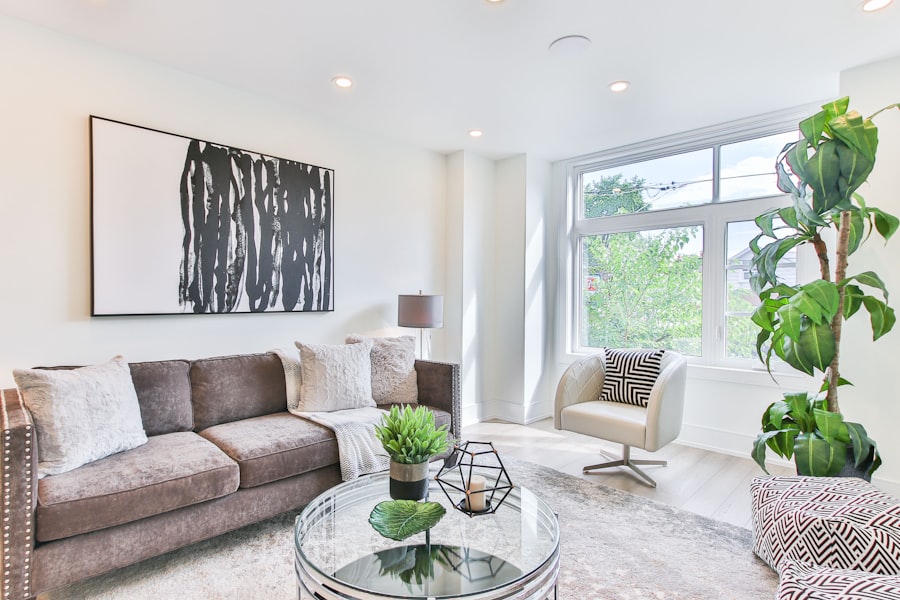
- Anchor with a low, curved sofa in a warm oatmeal or cream, on a textured wool or jute rug.
- Add a sculptural wood or stone coffee table and a rounded accent chair, letting the shapes soften the room.
- Bring in live plants, a few handmade ceramics, and warm layered light, keeping surfaces calm and curated.
Bedroom
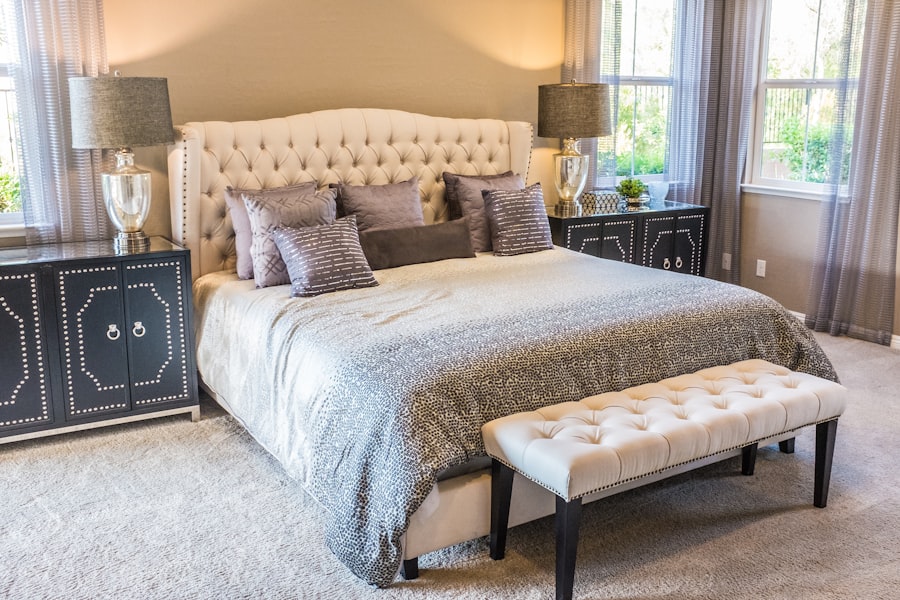
- Start with a low, upholstered bed with a soft curved headboard, dressed in warm linen.
- Use natural-wood nightstands and a sculptural lamp, keeping the palette earthy and warm.
- Add a woven or wool throw, a plant, and one piece of organic art, restful and uncluttered.
Kitchen and dining
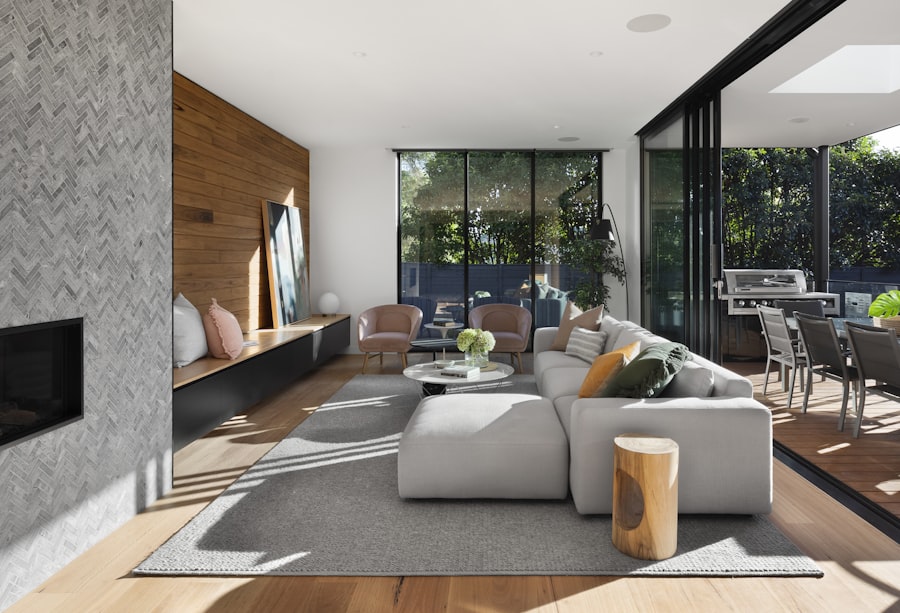
- Pair warm-wood or flat-panel cabinetry with natural stone counters and an uninterrupted backsplash.
- Center dining on a solid wood table, ideally with a rounded or organic edge, and curved or woven chairs.
- Style with a handmade ceramic centerpiece and a sculptural pendant, letting the materials speak.
How to get the look
- Balance clean lines with at least one strong curve in every room.
- Lead with natural materials, wood, stone, linen, clay, rattan.
- Warm the palette to earthy creams, beiges, and browns, grounded with clay and olive.
- Layer texture, bouclé, wool, wood grain, rough ceramic, over pattern.
- Bring nature in with live plants, natural light, and handmade, sculptural pieces.
Organic modern looks effortless and is surprisingly easy to get flat, the curves and materials have to be balanced. A Fresh Eyes Visit dials it in for your room: 90 minutes, a written plan in 48 hours, one room, $350 to $500. Greater Philadelphia.
Organic modern vs. minimalist and Japandi
vs. Minimalist: both are pared-back and calm, but minimalism can lean cool and strict. Organic modern keeps the restraint but adds warm materials, earthy color, curves, and texture, so it feels soft and inviting. It's minimalism warmed up with nature.
vs. Japandi: close cousins, both warm and natural. Japandi leans on Japanese and Scandinavian minimalism, with lower furniture and a slightly more grounded, restrained feel. Organic modern is a touch softer and more sculptural, leaning into curves and warm neutrals. Many rooms happily blend the two.
Who organic modern is for
It's for people who want calm and clean but were quietly tired of cold, gray minimalism, who love natural materials and a warm, tactile home, and who are drawn to soft, sculptural shapes. It suits newer, light-filled homes especially well, and it reads current and elevated without chasing a loud trend. The one caveat: it looks effortless but relies on real balance between the curves, materials, and negative space, get that right and it feels serene and expensive; get it flat and it just looks beige. For its cousins, see Japandi and the full styles guide.
For an organic modern home pulled together at a high level, see JG's luxury interior design across Greater Philadelphia.