
Short version: traditional interior design is rooted in classic 18th and 19th century European style, symmetry, rich woods, layered fabrics and pattern, graceful antique-inspired furniture, and elegant detailing. The feeling is warm, ordered, and timeless. The one thing that trips people up: old-school traditional can read dark and formal, so the modern move is to keep the classic bones and lighten the rest.
Traditional is the style most people picture when they think "classic home," and for good reason: it's the look our grandparents' best rooms were built on, and it never fully goes out of fashion. The catch is that it can read either timeless or dated depending entirely on how heavy a hand you use, which is what this guide is really about. (For the wider field, start with the guide to interior design styles.)
What traditional design is
Traditional design looks back to classic European interiors of the 18th and 19th centuries, and it's built on order. Symmetry is central: matched lamps, balanced seating, a fireplace flanked evenly. Furniture has graceful, often curved lines and antique or antique-inspired detailing. Fabrics and patterns layer, florals, damask, stripes, plaids, and rich wood tones ground the whole thing. Nothing is accidental; everything is coordinated, refined, and intentional.
The feeling it creates is warm, gracious, and settled, a home that feels established rather than of-the-moment. Comfort and a sense of history matter more than trend, which is exactly why a well-done traditional room still feels right decades later. The failure mode is going too heavy, dark woods plus dark walls plus heavy drapery plus busy pattern plus clutter, which is how traditional tips into stuffy. The fix is next.
How to keep it current
This is the section that decides whether traditional feels timeless or dated, so it comes first. The trick is to keep the classic bones and lighten everything around them. Pare back the heavy pattern, lift the wall color, edit the accessories, and let a few rooms breathe.
Mix in a cleaner-lined or gently modern piece so it doesn't read like a period recreation, a simple sofa among the antiques, a modern light fixture over the classic table. Swap some of the dark, heavy elements for lighter woods and fresher neutrals. What you get is "updated traditional," which is really just a step toward transitional: all the warmth and classic grace, none of the museum. A little restraint is what separates timeless traditional from your great-aunt's parlor.
Key elements checklist
Run a room against these five markers to test whether it reads genuinely traditional.
- Symmetry and balance. Matched pairs and even arrangements are the backbone of the style.
- Rich wood tones. Dark-to-mid woods, often with detailing, in furniture and floors.
- Classic, curved-line furniture. Antique or antique-inspired pieces with graceful silhouettes.
- Layered fabrics and pattern. Florals, damask, stripes, and plaids, coordinated, not random.
- Elegant architectural detail. Crown molding, wainscoting, and trim that frame the room.
Palette and materials
Traditional runs warm and rich. A base of creams and warm neutrals carries deeper accent color, deep reds, navy and other blues, greens, and gold, with brown from the wood tones running through everything. Classic patterns do a lot of the work, layering color and texture through florals, damask, stripes, and plaids. Kept in balance, the palette feels warm and gracious; overloaded, it feels heavy, which is why the lighter, updated approach pulls some of that depth back.
Materials are refined and substantial: rich woods like mahogany, cherry, and walnut, quality upholstery, silk and velvet and linen, plus classic detailing in trim, molding, and hardware. Antiques and heirloom pieces are prized, and everything reads considered. The sense of quality and history is the whole point. This suits the older Greater Philadelphia housing stock beautifully, the center-hall colonials, stone homes, and Main Line houses with real traditional bones, plaster, deep trim, wood floors, where traditional design honors the architecture instead of fighting it.
Traditional room by room
Symmetry, richness, and classic detail, everywhere. Here's how it lands room to room.
Living room
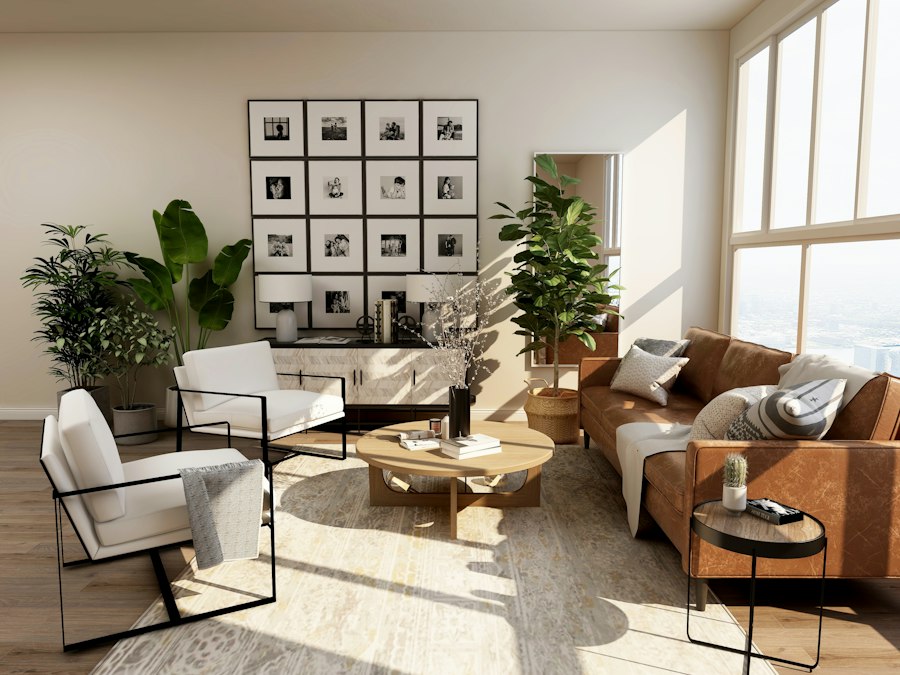
- Center the room on the fireplace or a focal wall, and build a symmetrical seating arrangement around it.
- Anchor with a classic rolled-arm or tufted sofa, a pair of matching chairs, and a quality wood coffee table.
- Layer in a patterned rug and drapery, matched lamps, and refined accessories, edited so it feels gracious, not crowded.
Dining room
- Start with a substantial wood table and a matched set of upholstered or classic wood chairs.
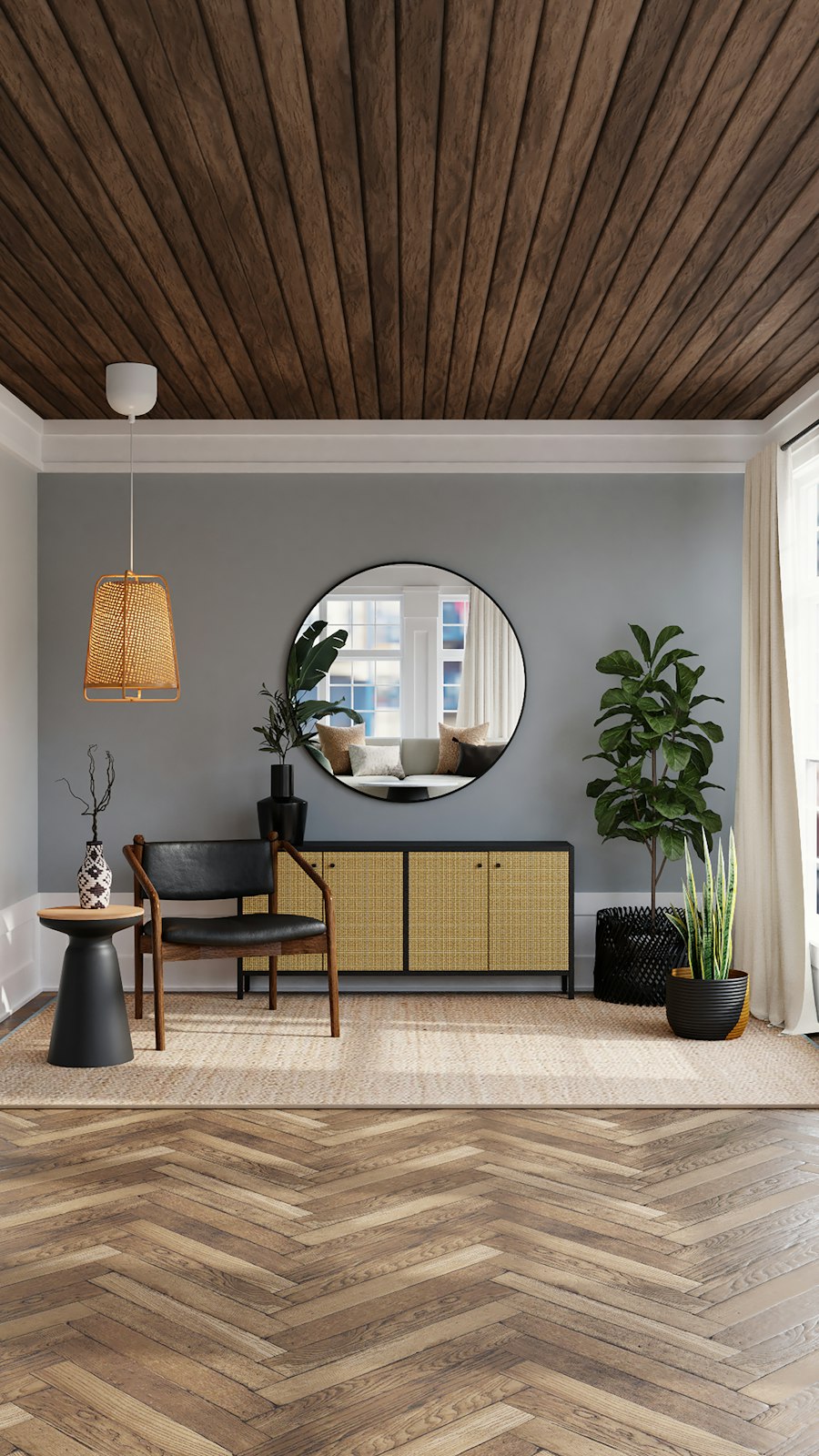
- Hang a chandelier centered over the table, and balance the room with a sideboard and paired lamps or art.
- Add drapery and a rug for warmth, keeping the palette rich but coordinated.
Bedroom
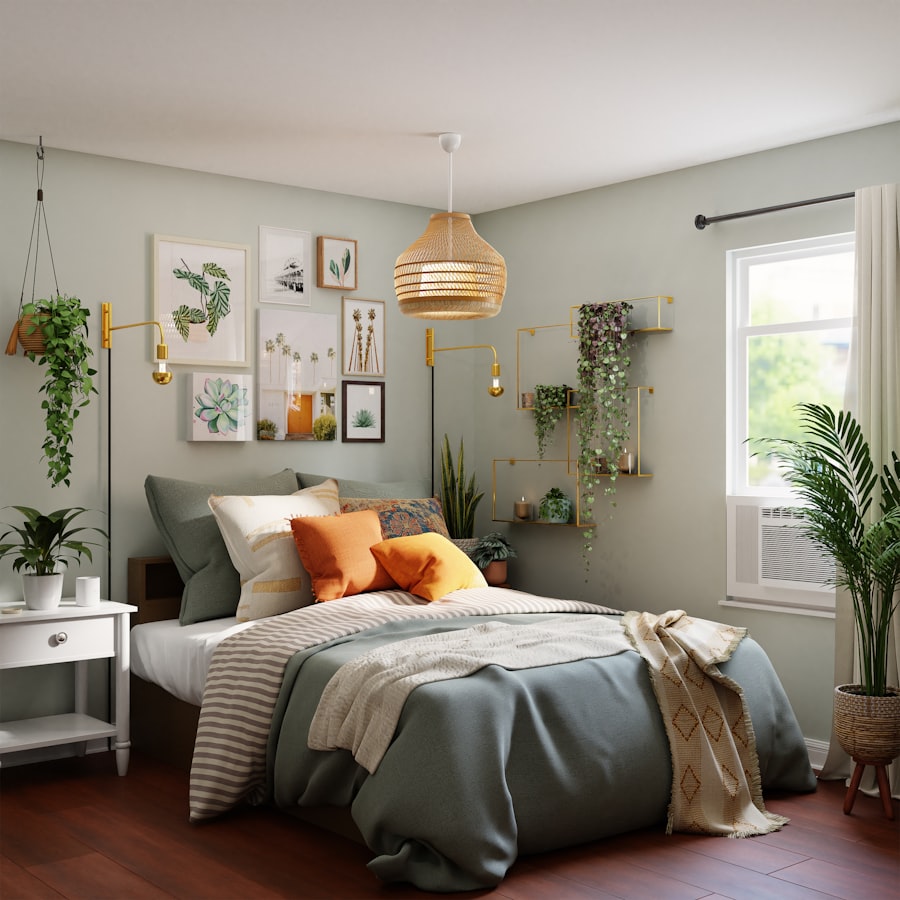
- Anchor with an upholstered or wood bed with a graceful headboard, dressed in layered, quality bedding.
- Flank it with matched nightstands and lamps, the symmetry that defines the style.
- Add classic drapery, a patterned rug, and refined art, keeping it warm but calm enough to rest in.
How to get the look
- Build on symmetry, matched pairs and balanced arrangements in every room.
- Choose classic, curved-line furniture in rich woods and quality upholstery.
- Layer fabrics and classic pattern, coordinated rather than random.
- Let architectural detail, molding, trim, wainscoting, frame the space.
- Keep a light hand: edit the pattern and clutter so it reads timeless, not heavy.
Traditional is timeless with a light hand and dated with a heavy one, the balance is everything. A Fresh Eyes Visit gets it right for your home: 90 minutes, a written plan in 48 hours, one room, $350 to $500. Greater Philadelphia.
Traditional vs. transitional and modern
vs. Transitional: transitional is traditional's lighter, updated child, it keeps the comfortable classic bones but strips the heavy pattern and formality and adds clean modern lines and a calmer palette. If traditional feels a touch formal for how you live, transitional is the same warmth, lightened.
vs. Modern: modern is nearly the opposite, spare, clean-lined, minimal ornament, and cooler. Traditional is layered, curved, warm, and detailed. Where modern subtracts, traditional composes. The two rarely mix directly, but transitional is the bridge that borrows from both.
Who traditional is for
It's for people who love classic, timeless interiors, who value comfort, quality, and a sense of history over trend, and who often live in older homes with real architectural character worth honoring. It suits anyone who wants their home to feel established and gracious rather than of-the-moment. The one caveat runs through this whole guide: use a light hand, or traditional tips from timeless into heavy and dated. For the lightened version most people actually want, see transitional design, or the full styles guide.
For traditional interiors with real depth and quality, see JG's luxury interior design across Greater Philadelphia.