
Short version: industrial interior design borrows from old factories, warehouses, and lofts, exposed brick, concrete, steel, ductwork, and reclaimed wood, left honest and unfinished in open, neutral-to-dark spaces. The whole trick is warmth: pair those hard, raw materials with leather, wood, textiles, and warm light, and a room that could feel like a warehouse feels like a home instead.
Industrial design came from a very literal place: when old factories and warehouses got converted into loft apartments, people kept the brick, the beams, and the pipes rather than covering them, and a style was born. Its whole appeal is honesty, showing how a space is built instead of hiding it. The risk is the same honesty going cold, which is exactly what this guide is about. (For the wider field, start with the guide to interior design styles.)
What industrial design is
Industrial celebrates raw, utilitarian materials in open space. Exposed brick and concrete, steel and iron, ductwork left visible, reclaimed wood with its history intact. Nothing is dressed up: the structure is the decoration. Furniture leans functional and often looks salvaged, a metal-and-wood workbench as a table, iron pipe shelving, a worn leather club chair. It's a style built on things that were made to work, not to be pretty, and that honesty is the point.
At its best it feels grounded, characterful, and unpretentious, a room with a story and nothing to hide. The danger is that the same raw materials, taken too far, read as cold and unfinished, an actual warehouse rather than a warehouse-inspired home. The line between the two is entirely about how much warmth you add back, which is why warmth gets its own section next.
How to keep it warm
This is the section that decides whether industrial works in a home, so here it is up front. The hard materials, brick, concrete, steel, give you the structure and edge. The warmth has to come from everything else: leather and wool, plenty of warm wood, rugs on the concrete, and warm layered lighting instead of cold overheads.
Add plants for life, vintage pieces for patina, and a few soft textiles to break up all the hard surfaces. Edison bulbs and warm-toned metal fixtures do a lot of quiet work here, cool white light makes industrial feel like a parking garage, warm light makes it feel like a favorite bar. Get the balance right and the raw materials read as character; get it wrong and they read as unfinished.
Key elements checklist
Run a room against these five markers. Industrial usually goes wrong by forgetting the warm half.
- Exposed structure. Brick, concrete, beams, or ductwork left visible and honest.
- Raw metal. Steel, iron, and aged brass in furniture frames, shelving, and fixtures.
- Reclaimed and aged wood. The main source of warmth, with real history in the grain.
- Leather and utilitarian furniture. Worn leather seating and salvaged, function-first pieces.
- Warm, utilitarian lighting. Metal pendants and Edison bulbs, warm-toned, never cold overheads.
Palette and materials
Industrial lives in a grounded, neutral-to-dark palette: charcoal, gray, black, and brown, warmed by the natural tones of brick, aged wood, and leather, with metal finishes in iron, steel, and aged brass. Color is used sparingly if at all, because the materials themselves, the rust of the metal, the red of the brick, the amber of the leather, are the palette. That restraint is what keeps the look honest rather than decorated.
Materials are the entire style, and they're meant to look like what they are. Exposed brick and concrete, steel and iron, reclaimed and aged wood, leather, and glass, left unpainted and unhidden. The magic is the contrast: hard and soft, cold metal and warm wood, rough concrete and worn leather. This suits the real loft and mill buildings around Greater Philadelphia beautifully, and in a standard home, a few genuine industrial materials against a warmer backdrop capture the character without the bare-warehouse feel.
Industrial room by room
Raw structure, warmed back up, everywhere. Here's how it plays out room to room.
Living room
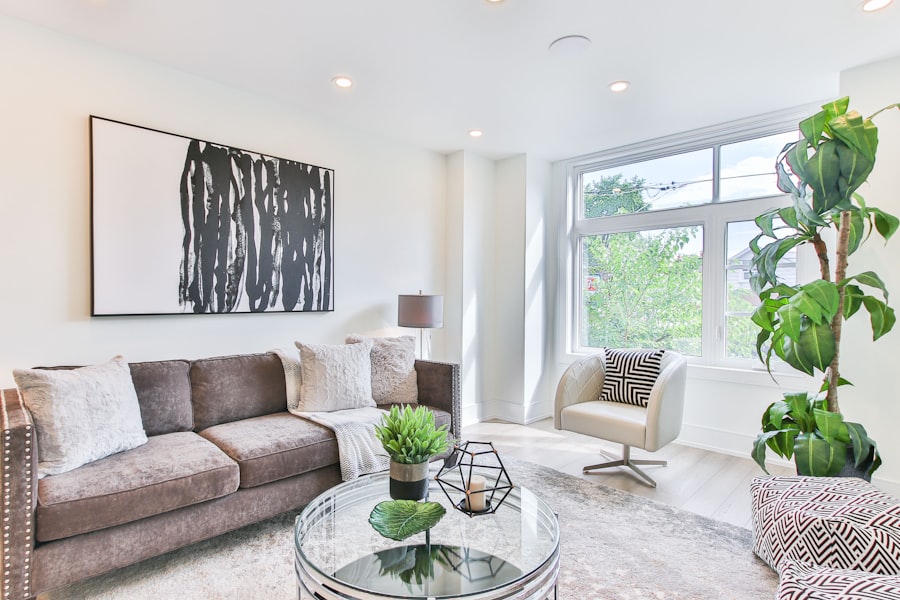
- Anchor with a worn leather sofa and a metal-and-wood coffee table, grounded by a warm rug on the hard floor.
- Add iron shelving or a reclaimed-wood console, and let exposed brick or a raw wall be the backdrop.
- Warm it with Edison-bulb lighting, a plant or two, and a couple of soft textiles.
Kitchen and dining

- Pair open metal shelving and a reclaimed-wood island top with matte black or aged-brass fixtures.
- Center dining on a heavy wood-and-steel table with metal or leather chairs.
- Hang metal pendants with warm bulbs, and keep surfaces honest, wood, stone, steel.
Bedroom
- Start with a metal or reclaimed-wood bed frame, then soften hard with layered wool and linen bedding.
- Use a raw-wood nightstand and a warm metal task lamp, keeping the palette grounded.
- Let one exposed-brick or concrete wall set the tone, and warm the rest with a rug and soft light.
How to get the look
- Expose or echo raw structure, brick, concrete, metal, wherever you can.
- Mix cold, hard materials with warm wood and leather in every room.
- Choose utilitarian, salvaged-looking furniture with honest materials.
- Light it warm, metal pendants and Edison bulbs, never cold overheads.
- Add rugs, plants, and vintage patina so it reads lived-in, not empty.
Industrial is a balancing act, character on one side, cold warehouse on the other. A Fresh Eyes Visit gets the warmth right for your space: 90 minutes, a written plan in 48 hours, one room, $350 to $500. Greater Philadelphia.
Industrial vs. modern and rustic
vs. Modern: both like clean function and open space, and the two mix easily into "modern industrial." But modern is smooth, finished, and neutral, while industrial is raw, textured, and honest about its materials. Industrial is modern with the surfaces left rough.
vs. Rustic: both love reclaimed wood and a handmade, worn feel, but rustic is soft, natural, and countryside, while industrial is hard, urban, and metal-driven. Rustic warms a room with nature; industrial warms a room against its own steel and concrete. They meet in the middle as "modern farmhouse" and "rustic industrial." For the softer wood-forward cousin, see modern farmhouse.
Who industrial is for
It's for people who love raw, honest materials and a room with character and a story, who don't want anything precious or fussy, and who are drawn to lofts, mills, and warehouse-style spaces. It's forgiving and low-maintenance because the materials are meant to look worn, and it suits city homes with real architectural bones. The one caveat is the whole theme of this guide: keep the warmth in, or it tips from characterful to cold. For its cousins, see mid-century modern and the full styles guide.
Want the industrial edge without the cold? That is the kind of call an interior decorator makes well. JG serves Greater Philadelphia.