
Short version: contemporary interior design is the style of right now, whatever is current and evolving. Clean lines softened by organic curves, a calm neutral palette warmed with natural wood and stone, open uncluttered space, and lots of light. The key thing people get wrong: contemporary isn't "modern." Modern is a fixed 20th-century era. Contemporary is a moving target that keeps updating.
Contemporary is the most-used and least-understood word in interior design, mostly because people treat it as a synonym for modern. It isn't. Once you see the difference, the whole style makes sense, and it turns out to be exactly what most people mean when they say they want their home to feel "current." (For the wider field, start with the guide to interior design styles.)
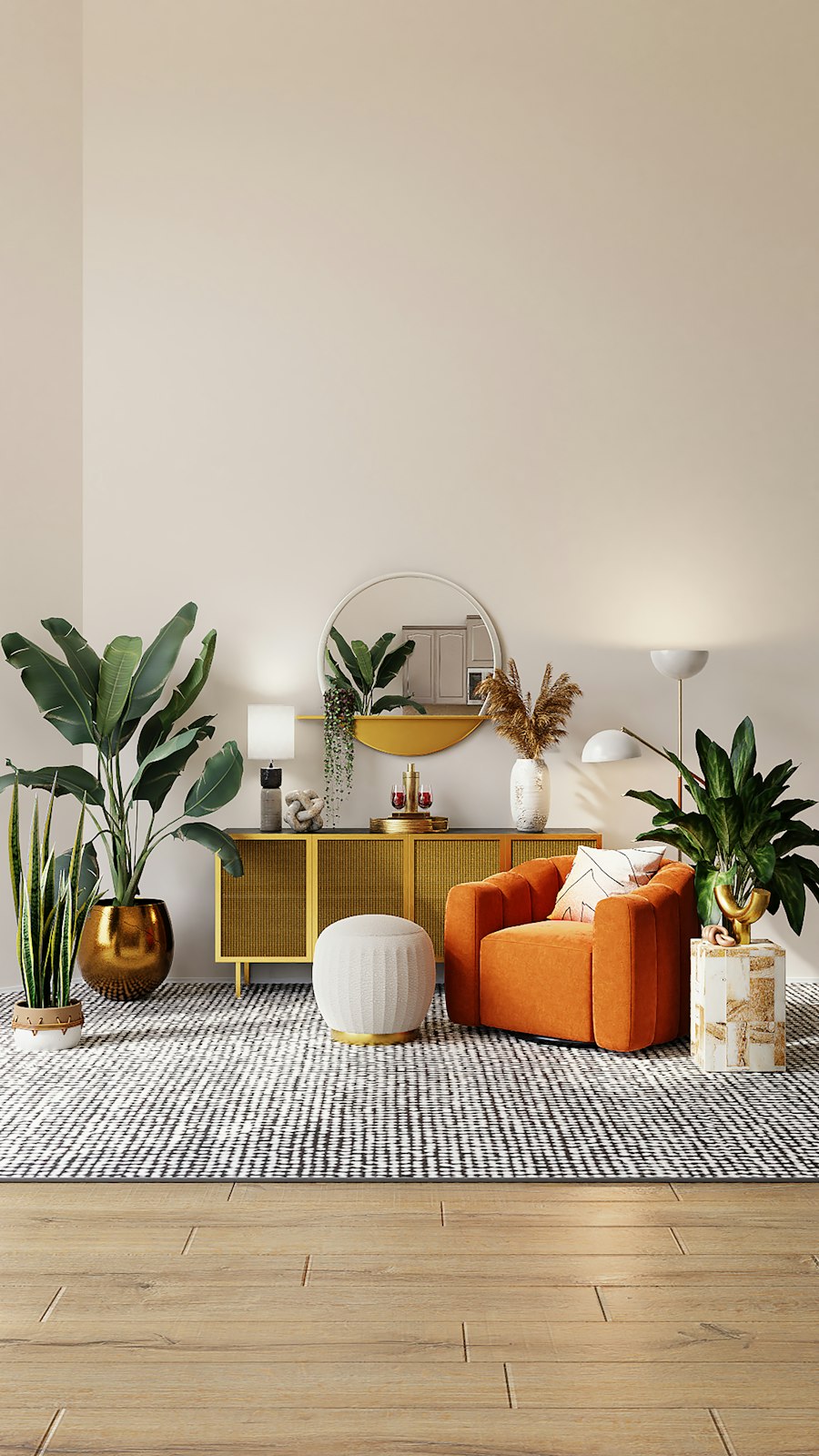
What contemporary design is
Contemporary simply means "of the moment." It's not tied to one era or one set of rules; it's whatever's current in design right now, which is why a contemporary room from 2005 looks different from a contemporary room today. What stays constant is the sensibility: clean and uncluttered, calm and neutral, light and open, curated rather than crammed. It borrows freely from other styles, a mid-century chair here, a rustic table there, and pulls them into something that reads present-day.
Right now, contemporary has moved warmer and softer than it was a decade ago. The hard, cool, all-white contemporary look has given way to warm neutrals, natural materials, and gentle curves. Today's contemporary room feels calm and inviting, not sleek and cold, and that shift is exactly what makes the style "contemporary": it followed where taste went.
Contemporary vs. modern
This is the distinction worth nailing, because everything else follows from it. Modern is a specific historical movement, roughly early-to-mid 20th century, with a defined look: straight lines, spare forms, function-first, mid-century roots. It doesn't change, because it refers to a fixed period. A modern room made today is recreating that established style.
Contemporary is not a period at all, it's the present, always moving. It can include modern elements, but it isn't bound by them, and it updates as tastes shift. Put simply: modern is a style with a date on it; contemporary is whatever's current. That's why designers say every modern room is contemporary in its moment, but not every contemporary room is modern.
Key elements checklist
Run a room against these five markers to test whether it reads genuinely contemporary today.
- Clean lines with organic curves. Simple silhouettes softened by a rounded sofa, an arched mirror, a curved chair.
- A calm neutral palette. Warm whites, greige, and taupe, cohesive and quiet, with black for definition.
- Natural materials. Wood and stone bring the warmth that keeps the neutrals from going cold.
- Open, uncluttered space. Room to breathe, with a curated, considered selection rather than a full one.
- Light, layered and abundant. Big windows plus layered fixtures, never one flat overhead.
Palette and materials
Contemporary lives in a calm neutral base, warm whites, greige, soft grays, and taupe, kept cohesive so the room reads serene. Black shows up for contrast and structure, a slim frame, a lamp, a window mullion, and warmth comes from natural wood and stone rather than from color. When color appears, it's usually one considered accent, an olive chair, a terracotta vase, not a full palette. The current direction is noticeably warmer and earthier than the cooler, grayer contemporary look of ten years ago.
Materials are what keep contemporary from tipping into cold. Wood in warm mid-tones, natural stone, matte metals, and soft textiles like wool and boucle do the work that ornament does in traditional styles. The mix of clean lines and warm, tactile materials is the whole formula. It suits newer Greater Philadelphia construction especially well, where open plans and big windows give contemporary the light and space it wants, and a few warm materials turn a builder-blank room into something calm and current.
Contemporary room by room
The sensibility holds throughout: clean, calm, warm, current. Here's how it lands in the rooms people ask about.
Living room
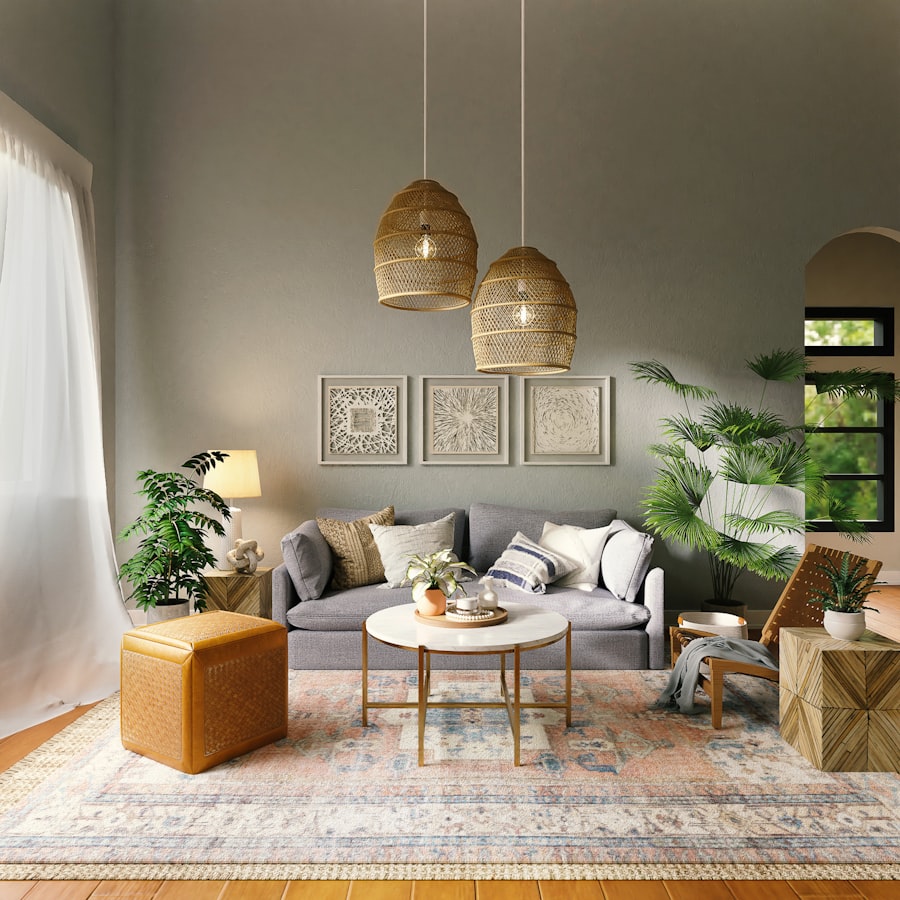
- Anchor with a clean-lined or gently curved sofa in a warm neutral, on a low-contrast rug.
- Add one sculptural accent, a curved chair, an arched floor lamp, so the room isn't all right angles.
- Keep art and surfaces curated, a single large piece beats a crowded gallery wall here.
Bedroom
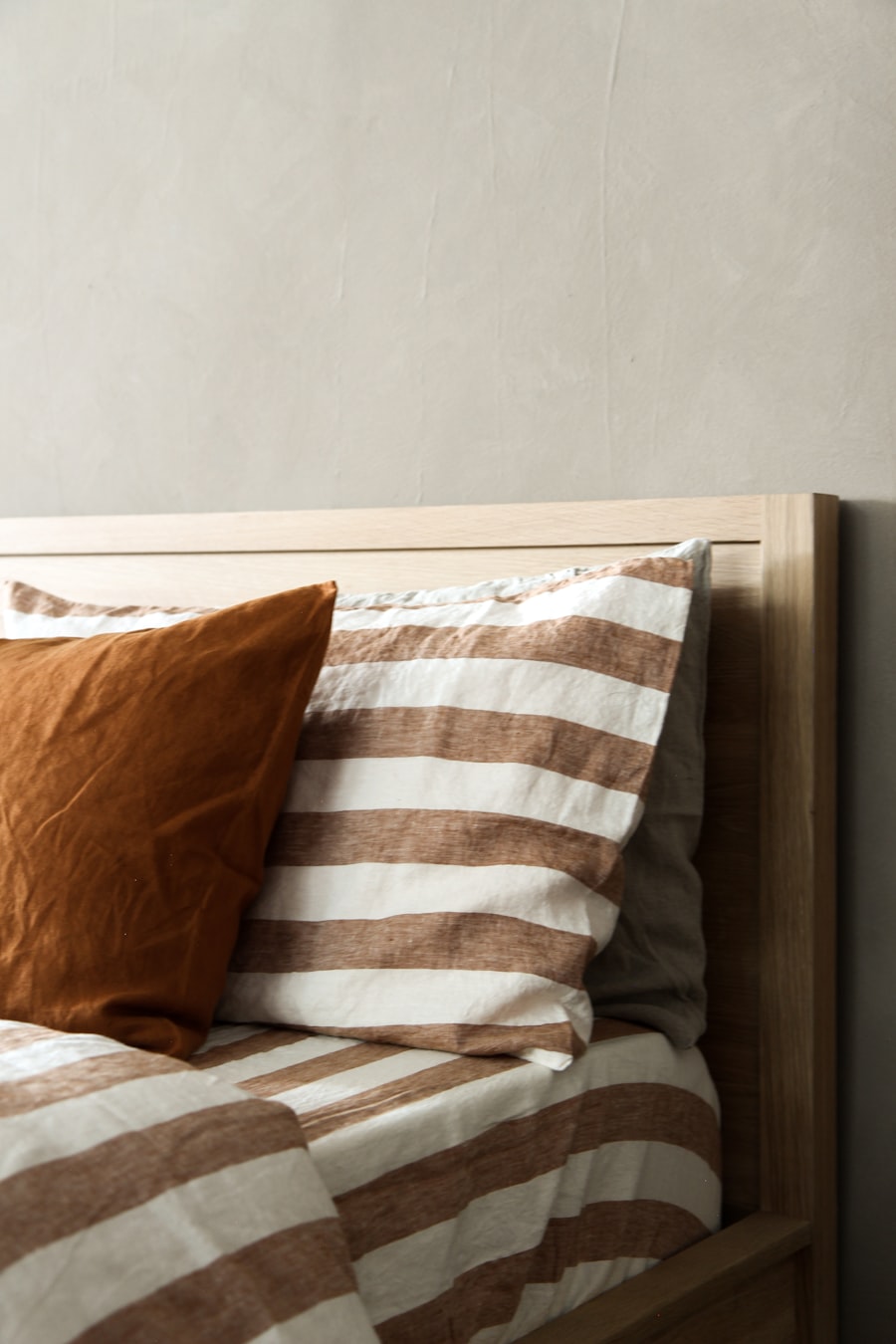
- Start with a low, upholstered bed with a simple or softly curved headboard, dressed in warm-neutral linen.
- Flank it with clean-lined nightstands and sculptural lamps, keeping surfaces clear.
- Let one piece of calm art and a warm wood tone carry the character. Airy and uncluttered is the goal.
Kitchen
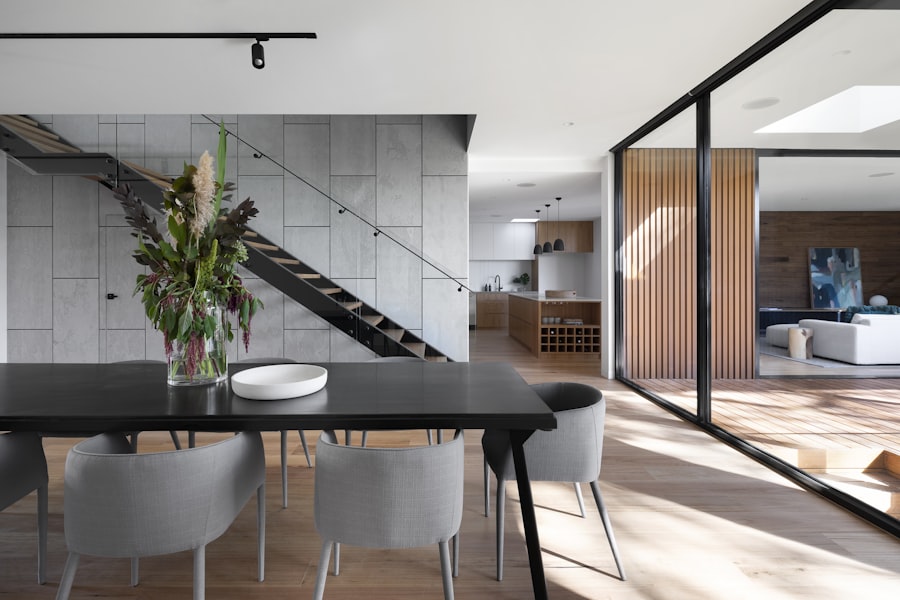
- Flat-panel cabinetry in a warm neutral or wood, with clean stone counters and an uninterrupted backsplash.
- Choose simple, matte hardware and keep the counters clear so the room reads calm.
- Warm it with wood stools and open shelving styled sparingly, current, not cluttered.
How to get the look
- Start with a calm, warm-neutral base on walls and big pieces.
- Choose clean-lined furniture, then add one or two organic curves to soften it.
- Bring warmth through natural wood and stone, not through bold color.
- Edit to a curated selection, leaving open space and clear surfaces.
- Layer the lighting and let a single considered accent do the color.
Contemporary is easy to get cold and easy to get cluttered, the balance is the skill. A Fresh Eyes Visit dials it in for your room: 90 minutes, a written plan in 48 hours, one room, $350 to $500. Greater Philadelphia.
Who contemporary is for
It's for people who want their home to feel current and calm without committing to a strong, nameable look, and who like clean and uncluttered but not stark. It's endlessly adaptable because it borrows from everything, so it suits people whose taste doesn't fit one box, and it works beautifully in newer, light-filled homes. The only caveat is the one built into the name: contemporary evolves, so a room done to be trendy will date, while a room done in the calm, warm, natural contemporary base will keep feeling current for years. For the fixed-era cousin, see mid-century modern, the warmer middle ground in transitional design, or the full styles guide.
For a contemporary home that feels collected rather than bare, see JG's luxury interior design across Greater Philadelphia.