
Short version: the best home staging tips are mostly subtraction. Declutter hard, depersonalize, get the lighting right, and stage the rooms buyers judge first, the entry, living room, kitchen, and primary bedroom. Do those well and skip the rest. The goal is a home buyers can instantly picture as theirs. Part of our complete home staging guide.
You do not need to stage every room or spend a fortune. You need to do a handful of high-impact things well, in the right order. Here is the room-by-room home staging playbook I use on listings across Montgomery County, plus the mistakes that quietly cost sellers offers.
One number worth sitting with: in the National Association of Realtors 2023 Profile of Home Staging, 81 percent of buyers' agents said staging made it easier for their clients to picture a house as their own future home. That is the entire game. Everything below is in service of that one moment where a buyer stops seeing your house and starts seeing theirs.
The five universal moves, in order
Before you touch a single room, run every home through these five steps in this sequence. They cost almost nothing, they matter more than any furniture you could add, and skipping any one of them undercuts everything after it.
Declutter
Pack away about a third of everything, especially surfaces, closets, and counters. Empty space reads as bigger and calmer. Buyers open closets, so a half-empty one signals "plenty of storage."
Depersonalize
Family photos, collections, religious or political items, anything that says "this is someone else's home." Buyers need to imagine their life here, not tour yours.
Deep clean
Spotless is non-negotiable, and smell matters more than sellers think. Grout, baseboards, windows, and the inside of the oven all get judged. A house that looks scrubbed reads as a house that was maintained.
Neutralize
Bold or dated paint narrows your buyer pool. A warm off-white or soft greige on the busiest walls is the cheapest square-foot upgrade you can make. Same idea for loud bedding and curtains: take them down.
Lighting
Open every blind, swap dim bulbs for bright warm-white ones at matching color temperature, and add a lamp to any dark corner. Light is nearly free and it transforms listing photos more than almost anything else you will do.
Curb appeal and the exterior
Most sellers pour everything inside and forget that the first photo in the listing, and the first thing a buyer sees pulling up, is the front of the house. A buyer decides whether they are excited before they ever walk in. If the outside reads as neglected, they arrive skeptical.
Start at the front door, because it is the smallest budget for the biggest lift. A fresh coat of paint in a confident color, new matte-black hardware and a modern handle, a clean mat, and one pair of planters flanking the door. That whole list runs under 200 dollars and photographs like a much larger upgrade.
Then work outward. Edge and mow the lawn, pull weeds from the beds, and lay fresh mulch, which does more for a tired yard than any single plant. Pressure-wash the walkway, the siding, and the driveway. Clear the gutters so they photograph clean. In our older Montgomery County housing stock, a little exterior attention signals that the systems you cannot see were cared for too, and buyers absolutely make that leap.
Pro tip: shoot your curb-appeal photos mid-morning with the door in soft light and the lawn still damp. Wet greenery reads richer in photos, and a shaded front door avoids the harsh midday glare that flattens everything.
The entry
The first ten seconds set the tone for the entire showing, and the entry is the first photo a buyer often sees. Clear it completely: no shoe piles, no coat mountain. A clean console, a mirror to bounce light, one plant or a simple arrangement. It should say "welcome," not "drop zone."
The living room
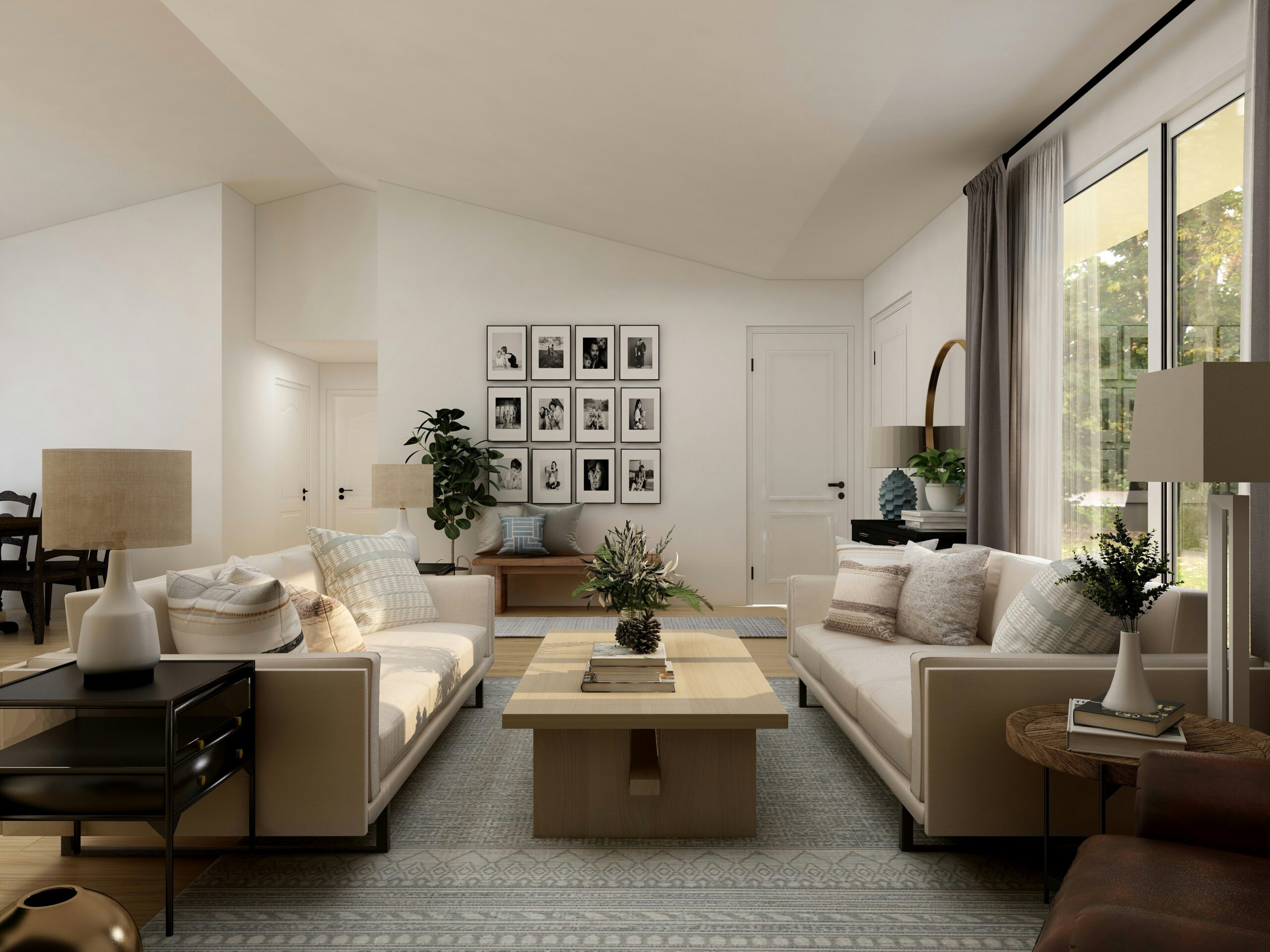
This is the hero shot of most listings. Two rules: scale and flow. Pull furniture off the walls and float it into a conversation grouping, which makes the room feel larger, not smaller. Anchor it with a properly sized rug. Keep the palette neutral, add warmth with texture and a few cushions, and make sure there is an obvious, uncluttered path through the room.
The kitchen
Buyers scrutinize kitchens. Clear the counters down to one or two intentional items, a bowl of fresh fruit, a single small plant. Hide the dish rack, the magnets, the appliances you can live without for a few weeks. Clean grout and shiny fixtures read as "well-maintained," which buyers extend to the whole house.
The bathrooms
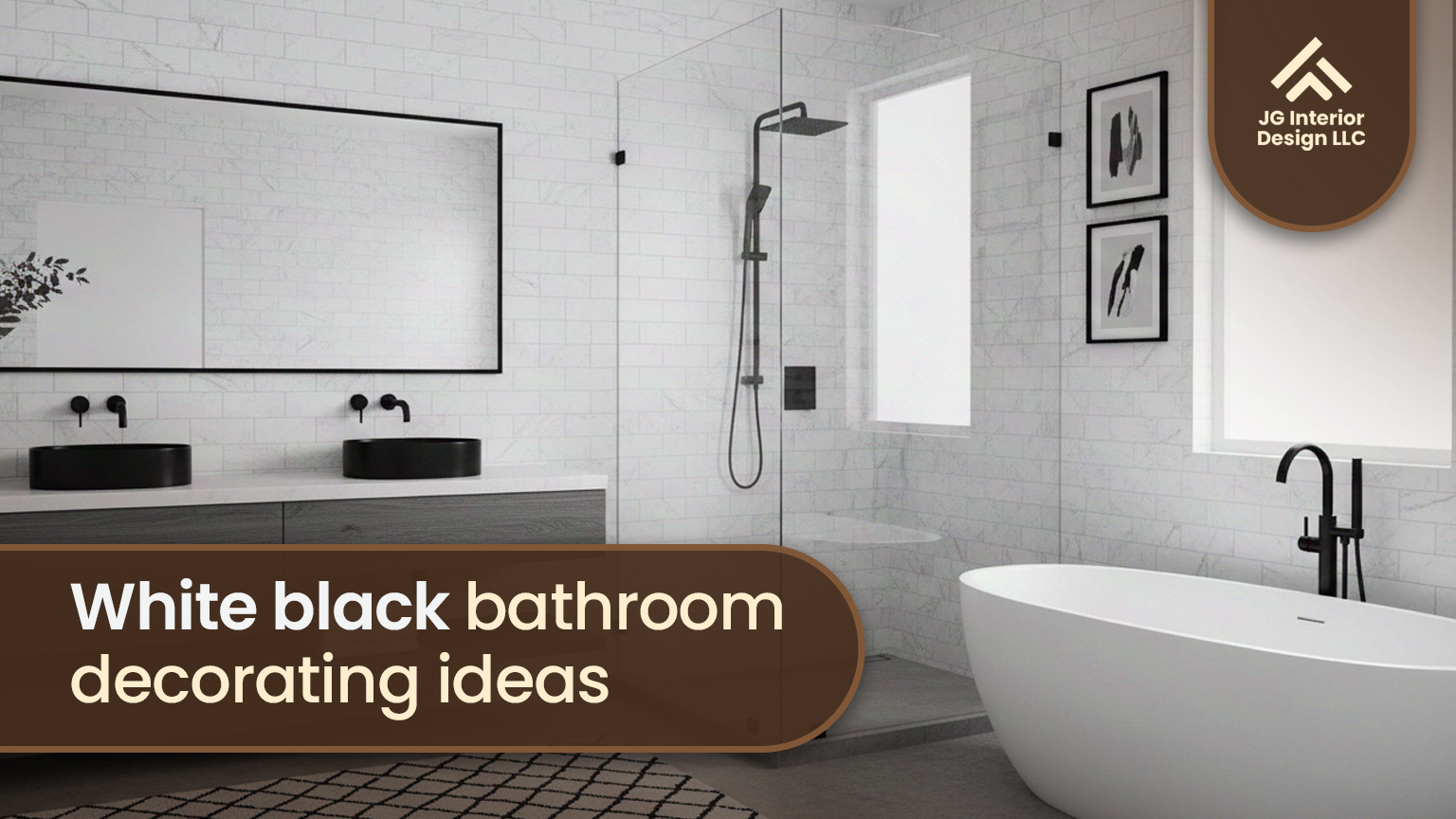
A bathroom is small, which cuts both ways: it is cheap to fix and it is unforgiving. One stray hair or a spotted mirror in a listing photo undoes the whole room. So the bar here is not "nice," it is spotless.
Clear the counters down to almost nothing. Toothbrushes, medicine, razors, and the tangle of products all go in a drawer or a bin. Leave a single small item at most, a folded washcloth or a low candle. Then hang fresh white towels you do not actually use, folded in matching thirds, and swap the shower curtain and liner for clean plain ones.
The two details buyers read as "old versus updated" are grout and caulk. Regrout anything stained, and re-caulk the tub and sink lines in crisp white. It is a weekend job and a tube of caulk, and it makes a dated bathroom read as cared for. Polish the mirror and every fixture until they shine, because chrome and glass are what catch the eye in photos.
The primary bedroom
Sell rest and calm. Neutral bedding, layered and hotel-crisp, symmetrical nightstands and lamps, and almost nothing else. Clear the dresser top. Tuck away the exercise equipment and the laundry. A primary bedroom that feels like a retreat is a quiet but powerful selling point.
Short on time or not sure where your budget should go? A Sell-Ready Staging consultation gives you a room-by-room plan in one visit, so you spend effort only where it moves the sale. For the numbers, see what staging costs and whether it's worth it.
Mistakes that cost offers
The Real Estate Staging Association reports that homes staged before listing spent far less time on the market than homes staged only after they sat unsold, which tells you the sequence matters as much as the effort. Here is where sellers lose that edge.
- Staging for your taste, not the buyer's. The whole point is broad appeal. Your favorite bold wall narrows the pool.
- Over-stuffing rooms. Too much furniture shrinks a space. Less reads as more.
- Leaving the lighting dim. Dark photos get scrolled past. Fix this before anything else.
- Forgetting the outside. A tired front door and an unkempt lawn sink the first photo before a buyer ever reaches the entry.
- Ignoring smell. Pets, cooking, smoke. Buyers remember a bad smell more than a nice rug.
- Spreading the budget evenly. Stage the rooms that carry the photos, then lightly style the rest.
- Skipping the consultation. An hour with a stager often saves more than it costs by stopping you from spending on the wrong things.