

Art Deco interior design is a luxurious and visually striking style that flourished during the 1920s and 1930s, born from the optimism of the modern age. It celebrates geometry, symmetry, and glamour blending craftsmanship with industrial innovation. Originally emerging in France, Art Deco quickly spread across Europe and the U.S., influencing architecture, fashion, and interiors alike.
Characterized by bold lines, metallic finishes, and rich materials like marble, chrome, and velvet, this style was a symbol of progress and wealth. Today, Art Deco has evolved into a refined fusion of vintage elegance and modern sophistication, where clean symmetry meets expressive color palettes. Whether through a mirrored cabinet or a sunburst chandelier, Art Deco brings drama and opulence to any contemporary home.
Art Deco interiors are instantly recognizable by their bold geometry, balanced symmetry, and luxurious detailing. Every line, texture, and curve in this style is designed to create visual drama while maintaining elegance. Originating in the machine age, Art Deco’s precision celebrates craftsmanship and modernity at the same time.
Here are the defining traits of this timeless design:
Element | Description |
Geometry & Symmetry | Repeating patterns like zigzags, chevrons, and sunbursts form the base of Art Deco design. |
Luxurious Materials | Use of marble, brass, glass, and exotic woods. |
Statement Lighting | Layered light fixtures, chandeliers, and sconces add instant glamor. |
Polished Finishes | Chrome, lacquer, and mirror surfaces reflect light beautifully. |
Ornamentation | Despite its structure, Art Deco celebrates artistic flair through inlays and bold shapes. |
The overall effect is one of drama, structure, and refinement, a perfect blend of art and architecture.
Art Deco interiors thrive on bold contrast, rich tones, and materials that speak of luxury and precision. The palette is strong yet refined, often combining deep jewel shades with metallic finishes to create an elegant and glamorous atmosphere. Every color or texture serves to highlight form and balance rather than excess.
Typical Art Deco Color Palette:
Category | Common Shades |
Jewel Tones | Emerald green, sapphire blue, ruby red |
Metallics | Gold, brass, silver, and chrome |
Neutrals | Cream, beige, ivory, black accents |
Common Materials:
The blend of these materials and colors gives Art Deco interiors their signature sense of glamour and balance.
Although Art Deco, Modern, and Contemporary styles all celebrate innovation, each represents a unique design philosophy. Art Deco emphasizes luxury and ornamentation, while Modern design values function and simplicity, and Contemporary design evolves with current trends and technology. Understanding these differences helps you identify which suits your aesthetic goals best.
| Style | Core Concept | Visual Traits | Era |
|---|---|---|---|
| Art Deco | Glamour, craftsmanship, and bold geometry | Symmetry, metallics, marble, and intricate detailing | 1920s-1930s |
| Modern | Simplicity and function over decoration | Clean lines, open layouts, neutral colors | 1950s-1970s |
| Contemporary | Innovation and adaptability | Minimalism, fluid forms, mixed materials | 2000s-Present |
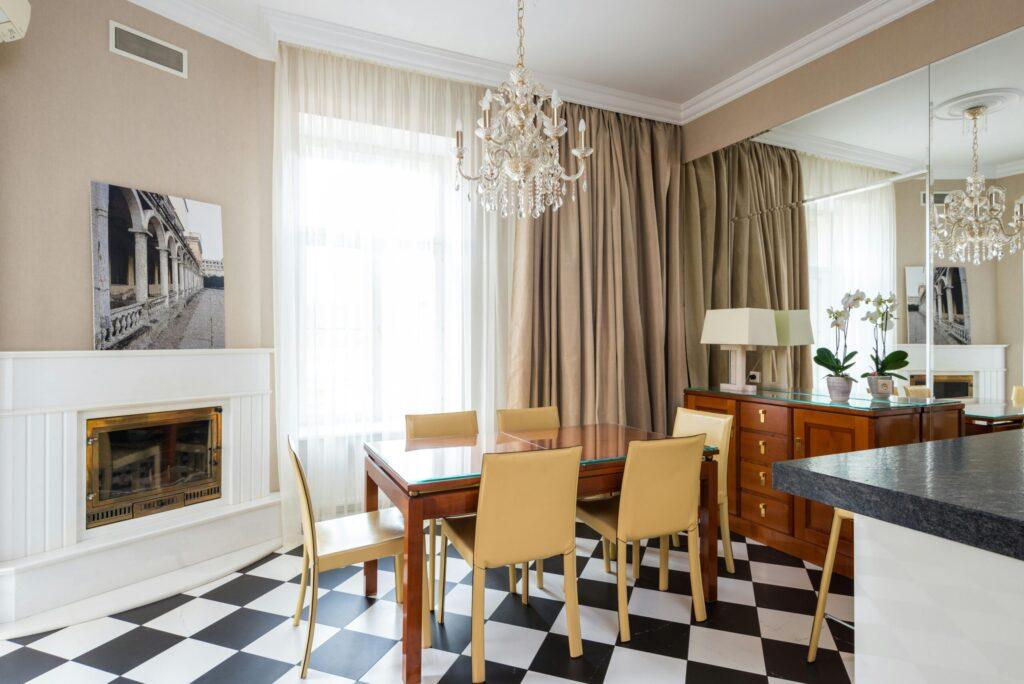
In short, Art Deco celebrates showmanship, Modernism values restraint, and Contemporary design prioritizes evolution. Today’s designers often mix Art Deco’s rich materials with Modern minimalism for a balanced, elegant effect.
Incorporating Art Deco into your home is all about creating visual impact while maintaining balance and symmetry. The key is to select statement pieces and luxurious finishes that reflect the spirit of the 1920s without overwhelming the space.
Practical Art Deco Design Ideas:
Quick Tip: Keep the layout structured and symmetrical. Each element whether a rug, light fixture, or artwork, should feel intentionally placed, achieving that polished, timeless look Art Deco is known for.
Art Deco interiors are admired for their balance of structure and opulence. Each space highlights a perfect harmony between geometry, rich textures, and reflective surfaces. The beauty of this style lies in how it can adapt to any room while maintaining a sense of drama and refinement.
Room | Signature Features |
Living Room | Geometric rugs, curved sofas in velvet, gold or chrome lighting fixtures |
Bedroom | Mirrored side tables, upholstered headboards, bold accent walls |
Dining Area | Marble tabletops, brass-framed furniture, glass chandeliers |
Hallway | Symmetrical wall sconces, lacquer consoles, arched mirrors |
A true Art Deco interior feels grand yet balanced. The goal is not to over-decorate but to emphasize craftsmanship and precision. When done right, each room tells a story of modern elegance inspired by early twentieth-century glamour.
Art Deco interior design offers a timeless blend of luxury, confidence, and craftsmanship that continues to captivate homeowners and designers alike. Choosing this style means embracing sophistication and individuality while maintaining structure and harmony.
Reasons to Choose Art Deco for Your Home:
Art Deco suits those who want interiors that feel curated rather than minimalist. It celebrates form and function together, creating spaces that exude power, poise, and artistic integrity.
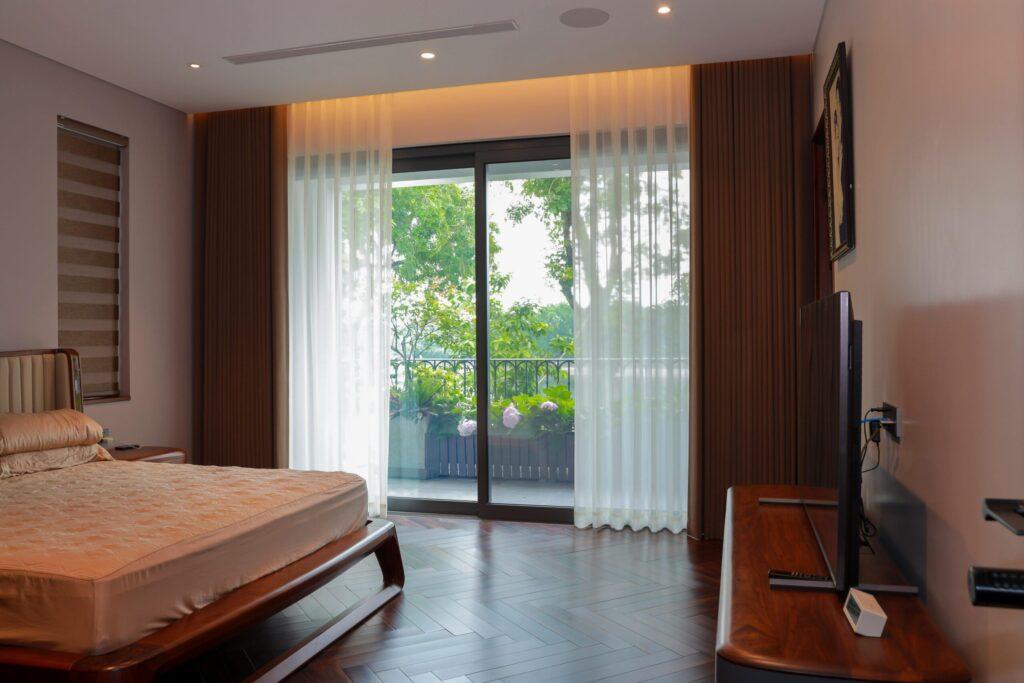
Art Deco interior design remains one of the most captivating and luxurious styles in the world of interiors. Its striking blend of symmetry, geometry, and fine materials continues to inspire both homeowners and designers who value timeless elegance. Choosing Art Deco for your home means embracing a sense of sophistication, where every curve, color, and finish tells a story of creativity and class.
At JG Interiors, we specialize in transforming ordinary spaces into extraordinary ones inspired by Art Deco and other iconic design movements. Whether you want to redesign a single room or your entire home, our expert team can help you achieve a refined balance of beauty, function, and individuality.Start your design journey today and let our professionals bring the Art Deco charm to your space with precision and style
Curious about contemporary interior design? Here are answers to common questions to clarify this dynamic style and inspire your next project. Insert relevant picture here: Image of a contemporary living room with open layout, neutral tones, and bold accents.
Art Deco is a decorative style from the 1920s and 1930s known for geometric patterns, symmetry, and luxurious materials like marble, brass, and glass.
It’s defined by bold geometry, strong symmetry, metallic finishes, and rich colors that create a sense of modern luxury.
Key elements include sunburst motifs, lacquered furniture, mirrored surfaces, and glamorous lighting.
Art Nouveau is nature-inspired with flowing curves, while Art Deco focuses on structure, geometry, and opulence.
Jewel tones like emerald, sapphire, and ruby, paired with gold, chrome, and black accents, are most common.
Affordable, owner-operated interior design for homes and offices crafted to fit your vision and budget.
Copyright © 2025 . All Rights Reserved.