
How to Design Seamless Interiors?
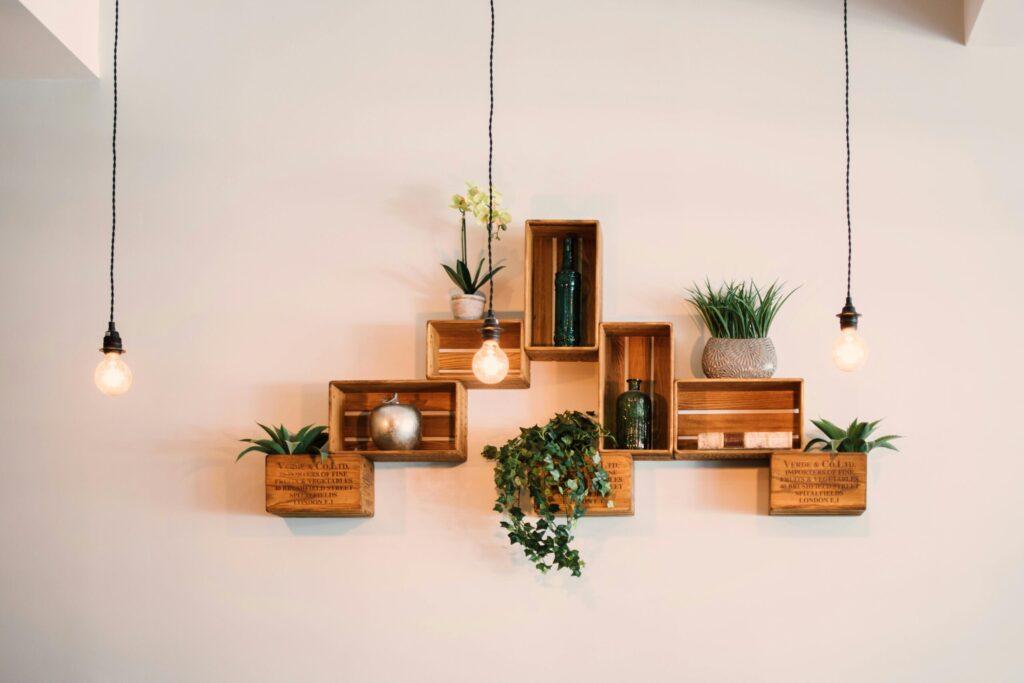
To design seamless interiors, you need to create spaces that flow effortlessly from one area to another. Blending color, materials, and lighting into a unified design. A seamless interior design ensures harmony, function, and balance, turning your home into a space that feels both connected and beautifully coherent.
What Does Seamless Mean in Interior Design?
In interior design, “seamless” means creating smooth transitions and visual unity throughout a home. It’s about designing spaces that feel connected where the color palette, materials, textures, and lighting all complement each other naturally.
When done right, seamless design makes a home appear larger, calmer, and more luxurious because every element supports the overall theme.
Looking for Interior Designer?
Why Is Seamless Interior Design Important?
Seamless interiors are essential for homes and commercial spaces alike because they enhance comfort, beauty, and long-term value.
Here’s why seamless design matters:
- Aesthetic Consistency: Ensures every space looks visually balanced.
- Functional Flow: Makes movement between rooms smooth and intuitive.
- Increased Property Value: A cohesive design appeals more to buyers and tenants.
What Are the Key Principles of Seamless Interiors?
Creating seamless interiors requires a blend of visual strategy and technical detail. Here are the five fundamental principles to achieve it:
- Color Continuity: Use a cohesive color palette across all rooms to maintain visual flow.
- Material Consistency: Repeat finishes like stone, wood, or metals in multiple areas.
- Furniture Flow: Choose furniture styles and proportions that align with the home’s overall aesthetic.
- Lighting Harmony: Balance natural, ambient, and task lighting for consistent mood.
- Design Rhythm: Repeat key shapes or motifs subtly to unify the look.
How Do You Create Flow Between Rooms?
Creating visual flow means connecting each room without making them look identical. Follow these tips to achieve smooth transitions:
- Maintain Consistent Flooring: The same or complementary flooring unifies the space.
- Repeat Dominant Colors: Carry recurring shades across rooms for visual continuity.
- Opt for Open Layouts: Open-plan living encourages physical and visual connection.
- Unify Doors and Trims: Consistent moldings, trims, and finishes keep rooms aligned.
How Do Color and Lighting Impact Seamless Design?
Color and lighting are crucial to creating continuity in seamless interiors.
- Unified Color Palette: Choose 2–3 complementary tones that flow naturally through all areas.
- Layered Lighting: Combine ambient, accent, and task lighting to enhance depth and unity.
Natural Light Flow: Maximize sunlight to blend indoor and outdoor spaces smoothly.
What Mistakes Should You Avoid in Seamless Design?
Avoiding common mistakes can make the difference between “cohesive” and “cluttered.”
- Over-Matching Everything: Too much uniformity creates monotony.
- Ignoring Scale: Mismatched furniture sizes break spatial flow.
- Neglecting Texture: Texture variety adds depth and warmth.
- Over-Accessorizing: Too many decorative pieces disrupt visual calm.
How Can Professionals Help You Achieve Seamless Interiors?
Professional interior designers bring the technical expertise and creative direction needed to perfect seamless interiors.
- CAD & 3D Visualization: Professionals plan space flow and materials digitally for precision.
- Material Coordination: Designers help match finishes, lighting, and textures seamlessly.
- Experience & Portfolio: Reviewing similar seamless projects ensures alignment with your style.

Conclusion
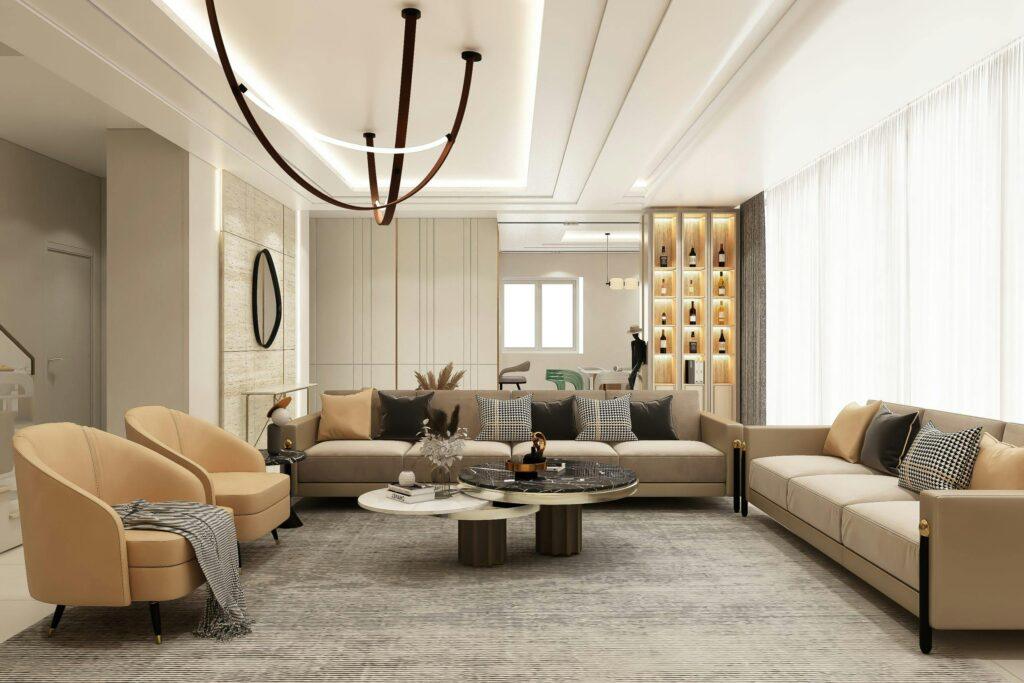
Designing seamless interiors is about crafting a space that feels fluid, functional, and visually harmonious. Every detail from your color palette to your lighting choices contributes to an effortless flow.
✨ Hire a professional interior designer to achieve true seamless interiors — and transform your space into a perfectly connected masterpiece.
FAQs
It depends on the project size and materials, but typically ranges from $5,000 to $50,000+ for residential interiors.
Absolutely. Neutral tones, multi-functional furniture, and consistent finishes make small spaces feel connected and larger.
Continuous flooring, neutral paint, and consistent cabinetry finishes are most effective.