
What Is Minimalist Interior Design (Complete Guide)
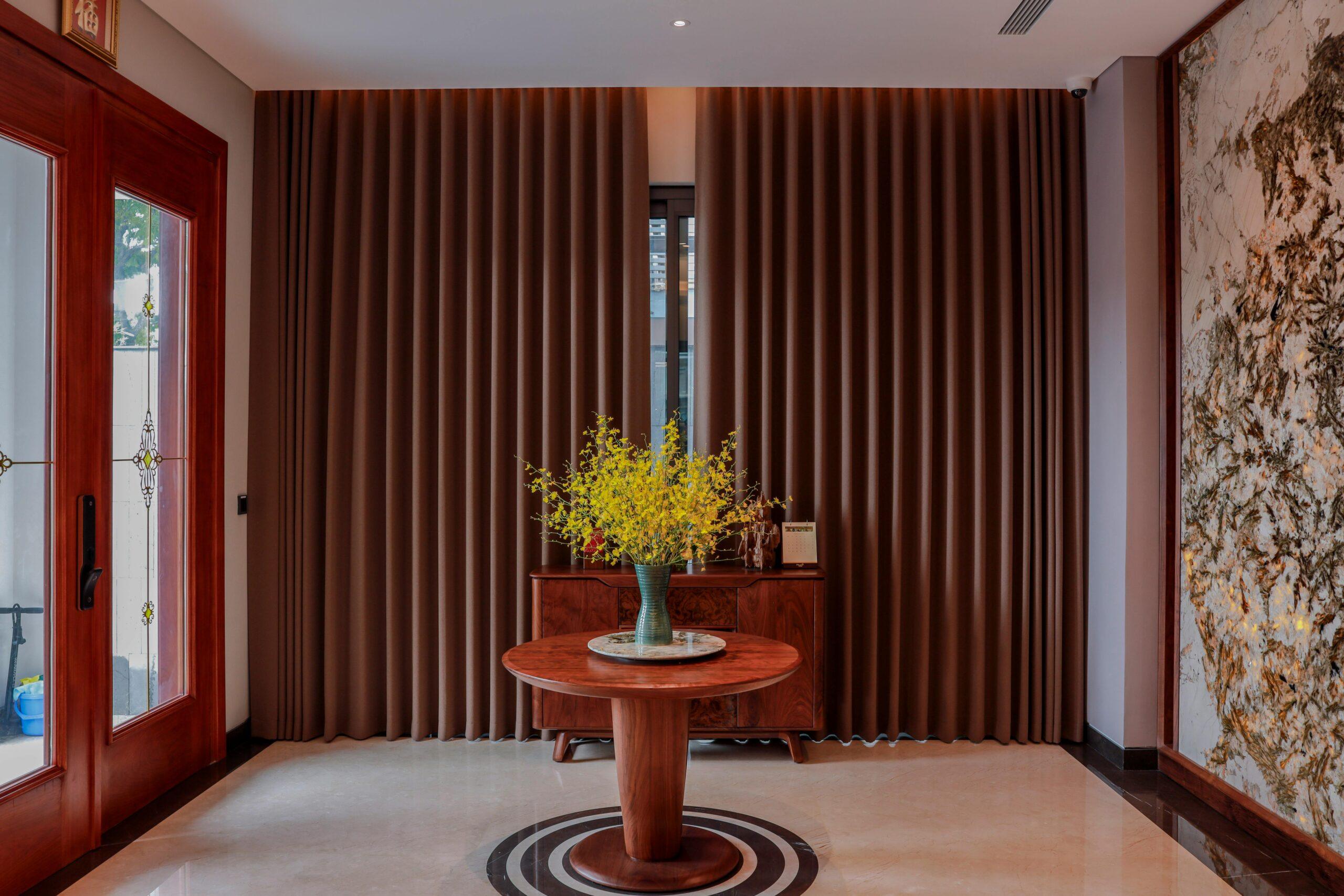
Minimalist interior design is a “less-is-more” approach that celebrates simplicity, clarity, and purpose. Every element serves a function, allowing space, light, and balance to take center stage. Instead of crowding rooms with décor, this style relies on thoughtful placement, open layouts, and a restrained color palette to create calm and harmony.
The core philosophy is about reducing clutter both physical and visual, so that your home feels peaceful and effortless. Natural light becomes an architectural feature, while clean lines and subtle textures make a statement without excess. Whether you live in a studio apartment or a spacious villa, minimalist design transforms your space into a sanctuary of balance and mindfulness.
What Are the Key Characteristics of Minimalist Interior Design?
Minimalist interior design focuses on balance, simplicity, and functionality. Every element has a clear purpose, there’s no room for unnecessary decoration or excess furniture. Clean lines, uncluttered surfaces, and open spaces define this design style, allowing each piece to breathe and contribute to the overall harmony of the room.
Furniture in minimalist homes is typically sleek, low-profile, and highly functional. You’ll often see hidden storage, built-in cabinetry, and simple geometric shapes that create flow without distraction. Instead of filling every wall, homeowners choose a single art piece or plant to create subtle visual interest. Natural light plays an essential role, highlighting the form and texture of materials like wood, linen, or concrete.
The key to achieving this look is restraint, choosing quality over quantity and allowing empty space to enhance the feeling of calm. In a world that’s constantly busy, minimalism offers an escape: interiors that feel intentional, airy, and stress-free.
What Colors and Materials Define Minimalist Design?
The minimalist color palette is calm, neutral, and timeless. Shades of white, beige, soft gray, and taupe form the foundation of most minimalist spaces. These hues reflect natural light beautifully and help rooms feel larger, cleaner, and more peaceful. To prevent the space from feeling cold or sterile, accent tones such as warm greys, muted greens, or sandy browns are often added in subtle layers.
Materials are equally important in creating the minimalist look. Natural textures like oak wood, linen, wool, rattan, and stone, add depth without clutter. Surfaces are typically matte or gently polished, maintaining a balanced contrast between warmth and simplicity. By combining organic materials with sleek finishes, minimalist interiors feel both elegant and grounded.
How Does Minimalism Differ from Contemporary and Modern Styles?
People often confuse minimalism with modern or contemporary design and it’s easy to see why. They share clean lines and open layouts, but their personalities are quite different.
Minimalism is all about reduction, stripping away anything that doesn’t serve a clear purpose. Every item in the room has intention. Think of a space where natural light, textures, and a few essential pieces quietly speak for themselves. It’s calm, balanced, and timeless.
Modern design, on the other hand, takes inspiration from mid-century aesthetics. It values form and function but isn’t afraid of bolder materials or artistic touches. Contemporary design is even more fluid, it reflects what’s trending right now, often blending multiple influences, including minimalism itself.
So while contemporary interiors evolve with time, and modern design celebrates structure, minimalism remains a mindset, a commitment to simplicity, stillness, and clarity in everyday living.
What Are Some Minimalist Interior Design Ideas?
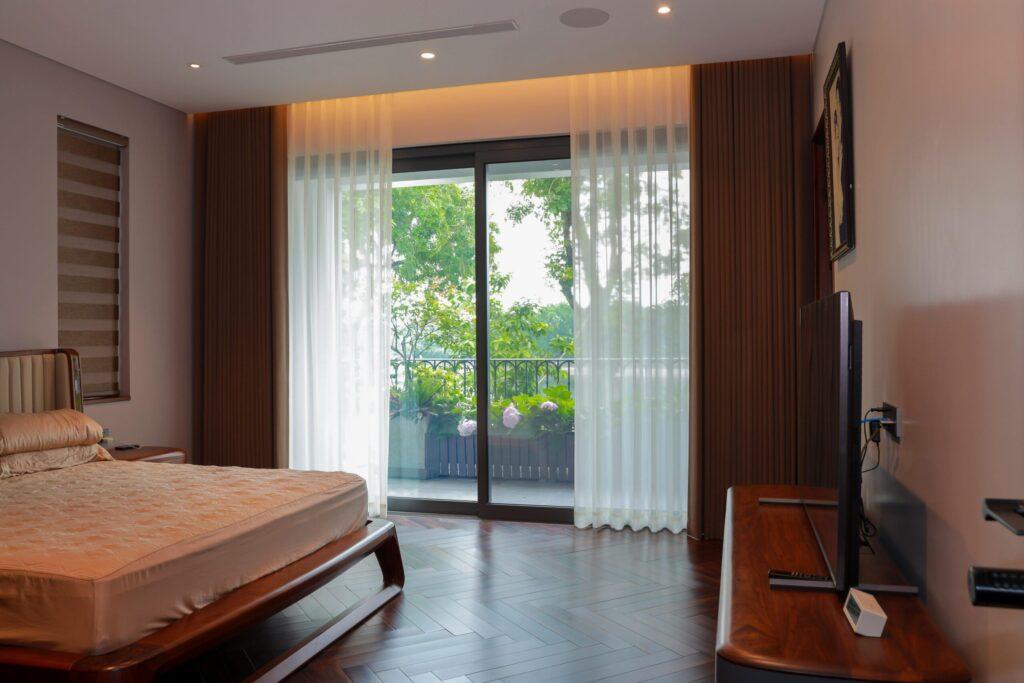
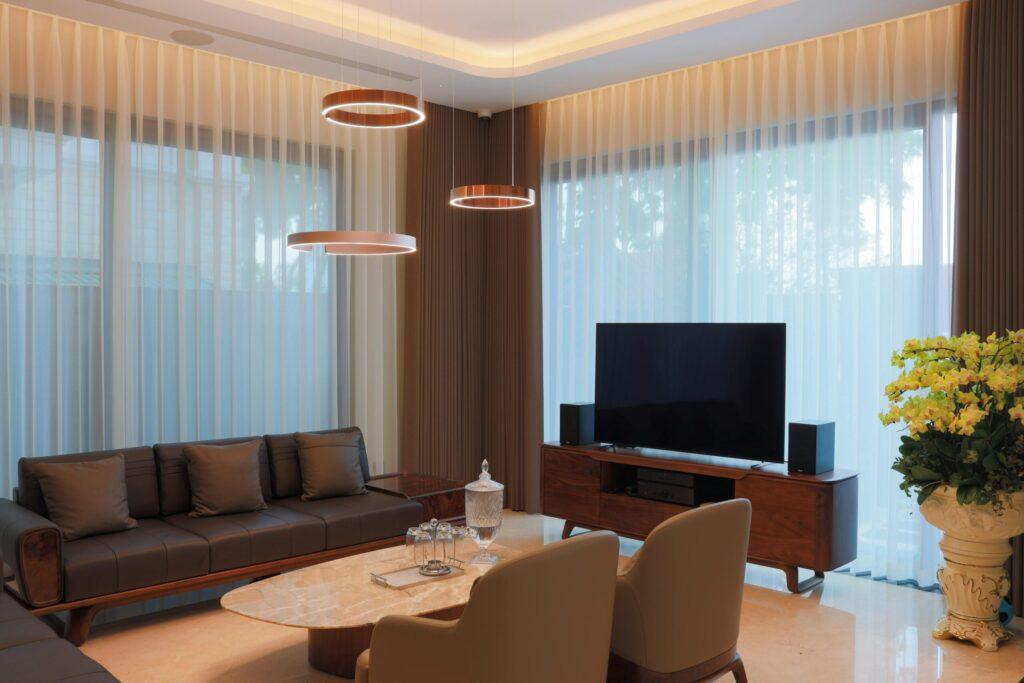
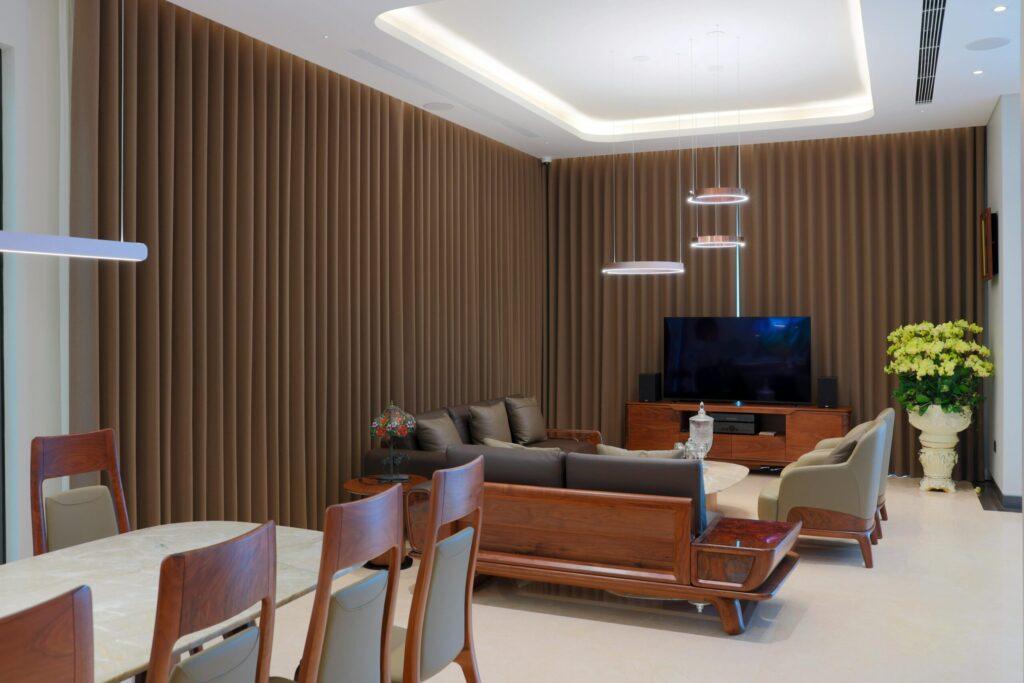
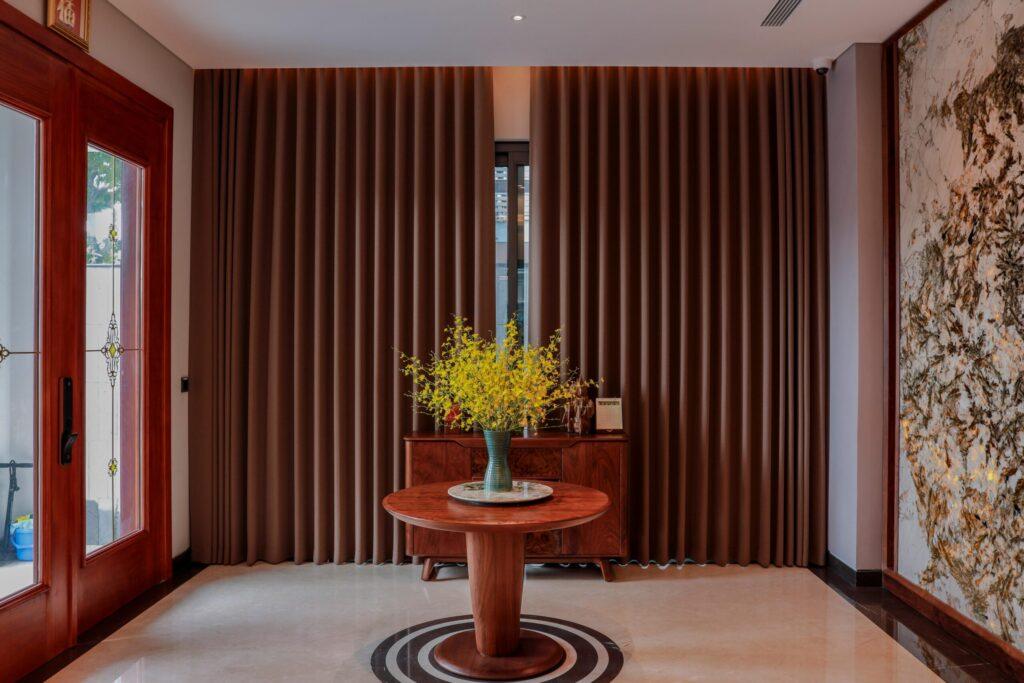
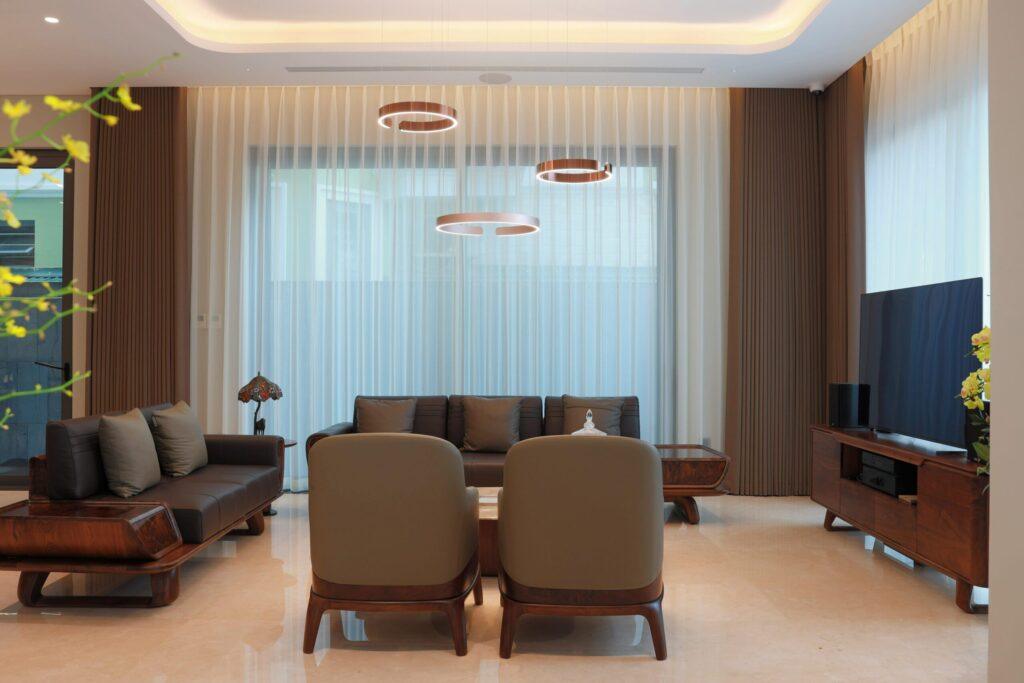
Designing a minimalist home doesn’t mean living in an empty space, it’s about creating a home that feels open, calm, and purposeful. Start by decluttering and keeping only what truly matters. Every item, from furniture to décor, should serve a function or bring quiet beauty to the space.
Choose multi-functional furniture like storage beds or extendable dining tables that helps maintain a clean layout. Add soft textures through area rugs, linen curtains, or throw blankets to keep the atmosphere cozy without breaking the minimalist flow. Keep walls simple, but highlight one focal point, such as a framed artwork, a large mirror, or an indoor plant to add warmth and personality.
Lighting also plays a big role: let natural light flood your rooms during the day, and use warm-toned lamps at night for a soothing effect. The goal is to make your space breathe where every corner feels balanced and intentional.
What Are Examples of Minimalist Interiors?
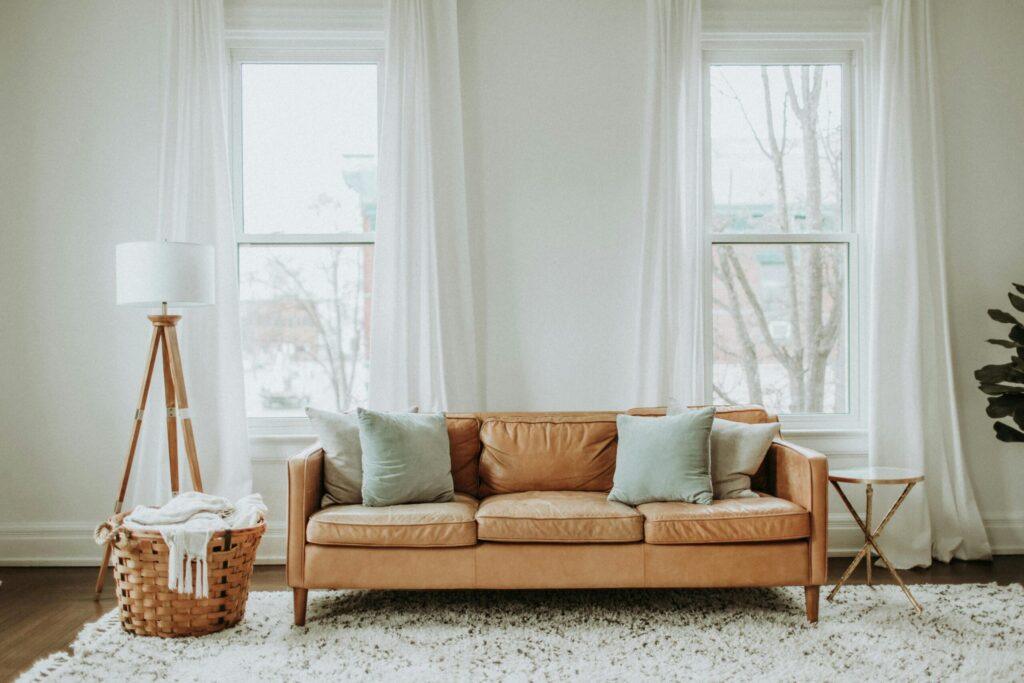
Minimalist interiors can take many forms, but they all share one thing: calm, balanced energy. Picture a living room with low, clean-lined furniture, soft gray walls, and a single art piece above the sofa. Natural light fills the space, bouncing off white surfaces and wooden textures. Every item has a reason to be there, nothing feels forced.
In a bedroom, the minimalist approach means a clutter-free layout, neutral bedding, and gentle lighting that promotes rest. A single vase, framed photo, or textured throw can add warmth without disturbing the peaceful flow.
Even kitchens embrace minimalism beautifully. Handleless cabinets, hidden storage, and matte finishes make cooking areas look sleek and inviting. With subtle contrasts between natural stone countertops and wooden accents, the space feels organic yet sophisticated.
Why Choose Minimalist Interior Design for Your Home?
Choosing minimalist interior design isn’t just a style preference, it’s a lifestyle choice. It’s about creating a home that feels light, calm, and effortlessly beautiful. When you remove clutter and unnecessary detail, you gain clarity and comfort. Rooms feel larger, cleaner, and easier to live in.
Minimalism also makes maintenance simpler. With fewer distractions, you spend less time cleaning and more time enjoying your space. Its timeless aesthetic means you don’t have to chase trends, a well-designed minimalist home never goes out of style. The focus on high-quality materials and functional design ensures durability and practicality.
For homeowners, this approach delivers more than visual appeal. It offers mental peace, encourages mindful living, and transforms your home into a space that truly reflects simplicity and intention. Minimalism brings balance not only to your interiors but to your everyday life.
Conclusion
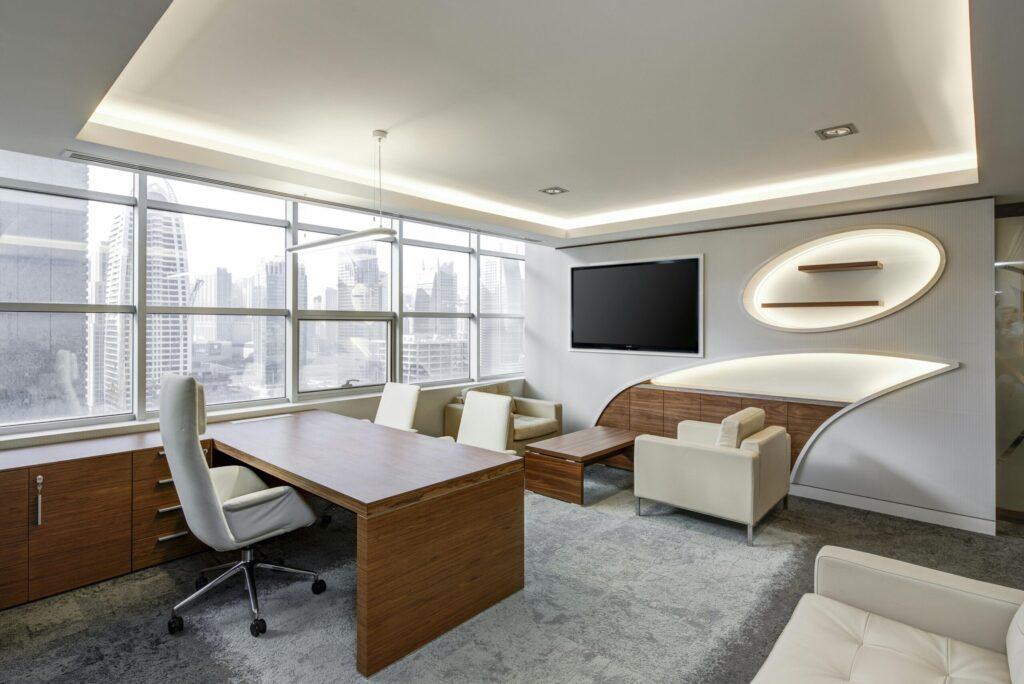
Minimalist interior design is more than a trend; it’s a timeless approach to living beautifully with less. By focusing on light, space, and function, it transforms homes into places of balance and serenity. Every detail, from color to furniture, contributes to a sense of calm that modern homeowners crave.
If you’re ready to refresh your home with simplicity and purpose, our expert designers can help you bring the minimalist look to life. Whether you want to renovate one room or redesign your entire space, we’ll create interiors that feel open, refined, and effortless.
FAQs About Minimalist Interior Design
Minimalist design focuses on simplicity, functionality, and open spaces that emphasize quality over quantity.
Its purpose is to create calm, clutter-free environments that enhance comfort, clarity, and visual harmony.
Modern design values function and style, while minimalism takes it further, keeping only the essentials.
Clean lines, neutral colors, natural light, functional furniture, and uncluttered spaces form its core principles.