
What Is Vintage Interior Design? (Complete Guide)
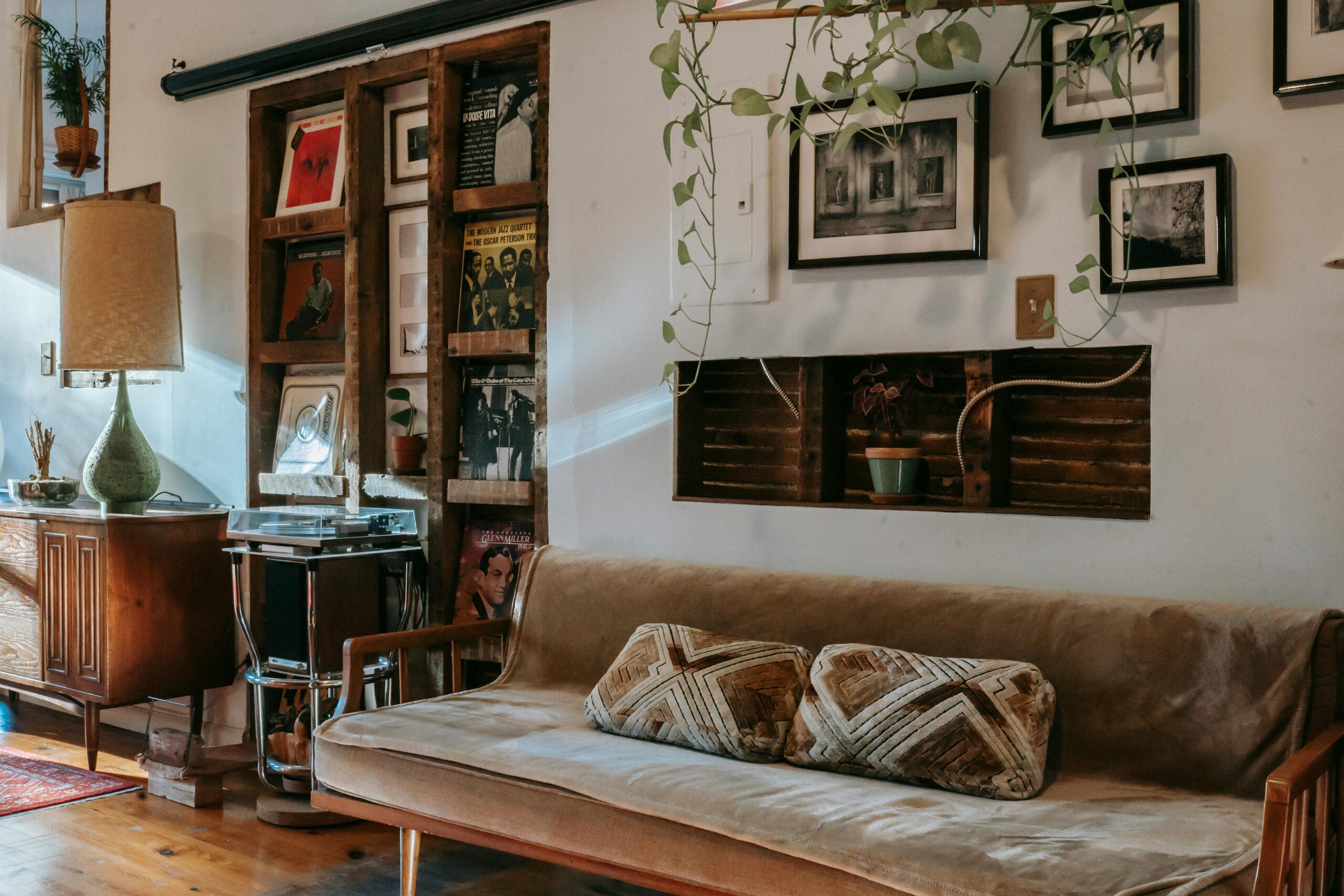
Vintage interior design is a nostalgic style that revives the elegance and warmth of earlier decades, particularly the 1940s and 1950s. It celebrates timeless craftsmanship, delicate patterns, and furniture that carries a sense of history. Rather than feeling old-fashioned, this style creates an inviting atmosphere where aged textures and soft colors blend harmoniously with modern comfort.
In a vintage home, every object tells a story from hand-carved wooden chairs to lace curtains that filter natural light. The goal isn’t to fill a space with antiques but to recreate the charm and simplicity of the past using authentic materials and thoughtful details.
the charm and simplicity of the past using authentic materials and thoughtful details.
What Are the Key Characteristics of Vintage Interior Design?
A vintage interior captures character, authenticity, and grace. Its strength lies in the blend of old-world aesthetics with a calm and welcoming feel. Below are key traits:
Characteristic | Description |
Furniture | Classic wooden pieces with curves, carvings, and gentle aging. |
Patterns | Florals, botanical motifs, and repetitive soft prints. |
Colors | Pastels, whites, creams, and muted shades. |
Textures | Natural fibers like linen, lace, and cotton. |
Lighting | Chandeliers, lampshades, and diffused warm lighting. |
Together, these details form an interior that feels personal, layered, and timeless, a perfect bridge between comfort and elegance.
What Colors and Materials Define Vintage Style?
Color and material choice is central to setting the vintage mood. The palette leans toward calm, soft hues that bring serenity and light into a room. Common combinations include:
- Whites & Creams: For bright, clean foundations.
- Pastels: Duck-egg blue, pale pink, lilac, and mint green add freshness.
- Earth Tones: Beige, ivory, and light brown enhance warmth.
Materials often include:
Material | Use |
Wood | Furniture, floors, frames, often distressed or painted. |
Linen & Cotton | Upholstery, curtains, and cushions. |
Wrought Iron & Brass | Lamps, handles, or decor accents. |
Ceramic & Glass | Vases, light fixtures, and decorative pieces. |
The key is balance, combining soft fabrics with sturdy materials to maintain authenticity.
How Does Vintage Design Differ from Retro and Antique Styles?
While often grouped together, vintage, retro, and antique design each represent different eras and sensibilities.
| Style | Time Period | Characteristics |
|---|---|---|
| Vintage | 1940s-1950s | Subtle colors, natural fabrics, nostalgic charm. |
| Retro | 1960s-1970s | Bold hues, geometric patterns, pop culture flair. |
| Antique | 100+ years old | Historical, ornate, and collectible craftsmanship. |
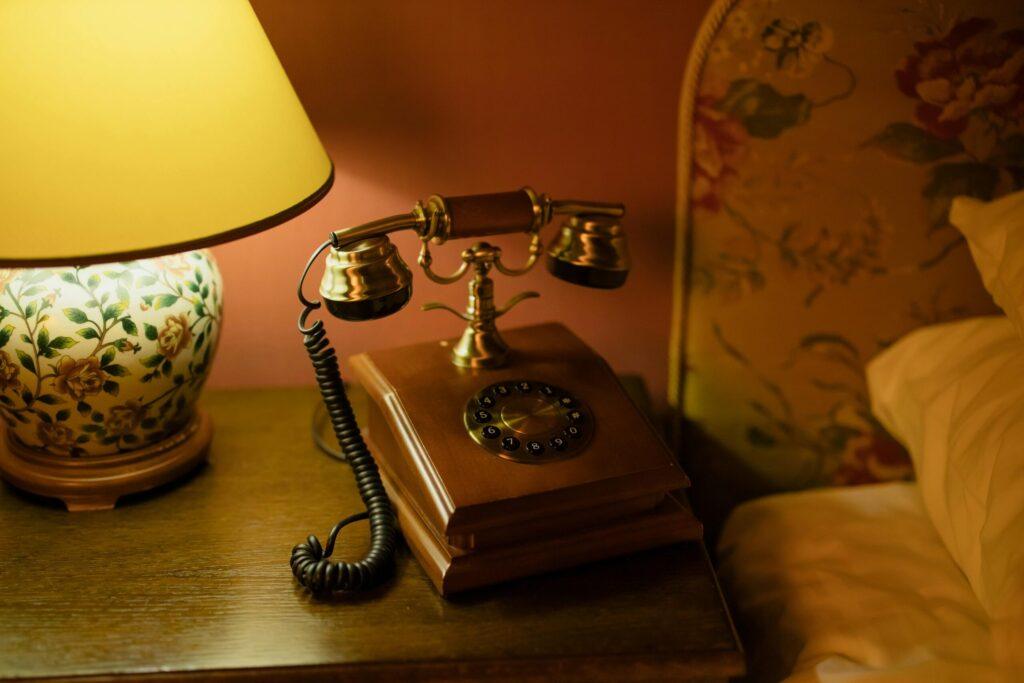
Vintage focuses on comfort and elegance, retro adds a playful burst of energy, and antique preserves history. Mixing these carefully can result in a layered look, but the essence of vintage lies in evoking the emotional warmth of the mid-century home rather than museum-like precision.
What Are Some Vintage Interior Design Ideas?
Creating a vintage-inspired space is easier than it seems, it’s about reintroducing charm through subtle details:
- Repurpose old furniture: Repaint or reupholster wooden pieces with floral fabrics.
- Add vintage lighting: Use chandeliers or lamps with fabric shades.
- Layer textures: Combine lace, velvet, and cotton for softness.
- Decorate with memories: Frame old family photos or collect ceramic vases.
💡 Pro Tip: Keep the layout uncluttered. Vintage doesn’t mean overfilled, a few meaningful accents make a stronger statement than a crowded room.
What Are Examples of Vintage Interiors?
Different rooms can showcase the vintage aesthetic uniquely:
Room | Signature Elements |
Living Room | Wooden armchairs, floral sofas, rugs, and delicate curtains. |
Bedroom | Lace bedding, pastel walls, carved headboards. |
Dining Area | Wooden cabinets, glass chandeliers, porcelain dishes. |
Hallway | Wall mirrors with ornate frames, hanging lamps. |
Each space should feel personal and softly aged like a lived-in family home with soul and history. The key is consistency in tone, soft colors, handcrafted details, and balanced lighting.
Why Choose Vintage Interior Design for Your Home?
Vintage interior design is more than a look, it’s a lifestyle rooted in sustainability, emotional connection, and individuality. By reusing or refinishing old pieces, you preserve craftsmanship and reduce waste. It’s also budget-friendly since many items can be sourced from thrift stores or family heirlooms.
This style also brings emotional warmth every scratch on a wooden table or faded hue on a curtain becomes part of your home’s story. It’s a design choice that values authenticity over perfection, offering peace and nostalgia in an age of fast trends.
Conclusion
Vintage interior design combines the charm of the past with today’s comfort. It’s about storytelling through design, letting furniture, textures, and colors whisper memories into modern spaces.
Whether you restore an old cabinet, hang lace curtains, or light a glass chandelier, each element becomes a small tribute to timeless beauty. This style doesn’t fade; it evolves gracefully, just like the homes that embrace it.
FAQs About Vintage Interior Design
It’s a decorating approach that uses furniture, fabrics, and colors from the mid-20th century to create a nostalgic, elegant ambiance.
Mix old and new, pair pastel walls with wooden furniture, use lace fabrics, and add decorative mirrors or vases.
Pale pink, ivory, mint, lavender, beige, and soft blue.
Retro copies 60s-70s trends, while vintage reflects 40s-50s charm with softer tones.
Wood, linen, cotton, ceramics, and brass are essentials.