
7 Popular Types of Interior Design Styles You Should Know
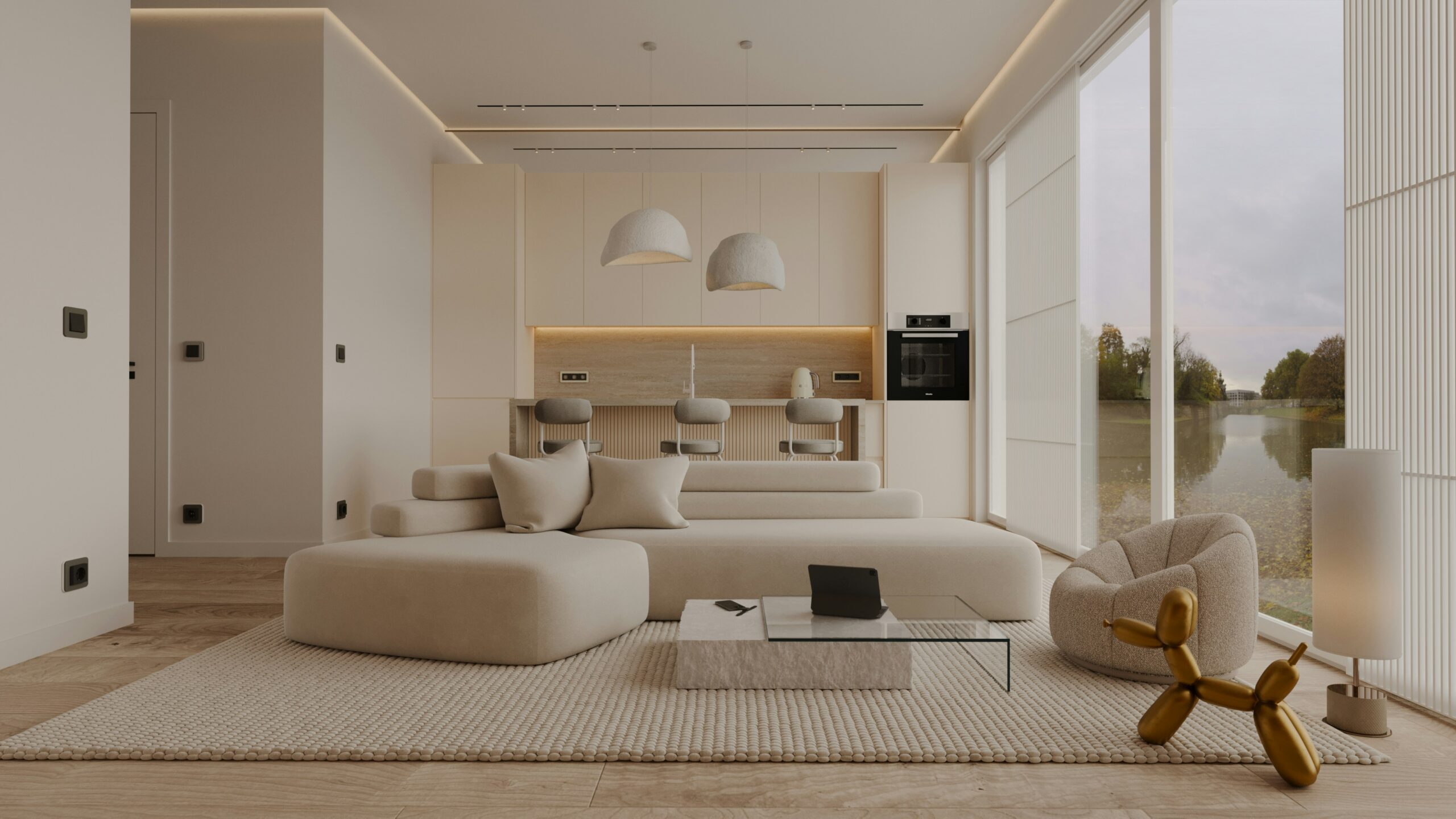
Interior design is more than just choosing furniture — it’s about curating a mood, expressing personality, and creating harmony within your space. Understanding different interior design styles helps you define your taste, visualize possibilities, and make confident choices when transforming your home. Whether you’re drawn to clean modern lines, nostalgic vintage pieces, or the cozy simplicity of Scandinavian design, each style tells a story your story.
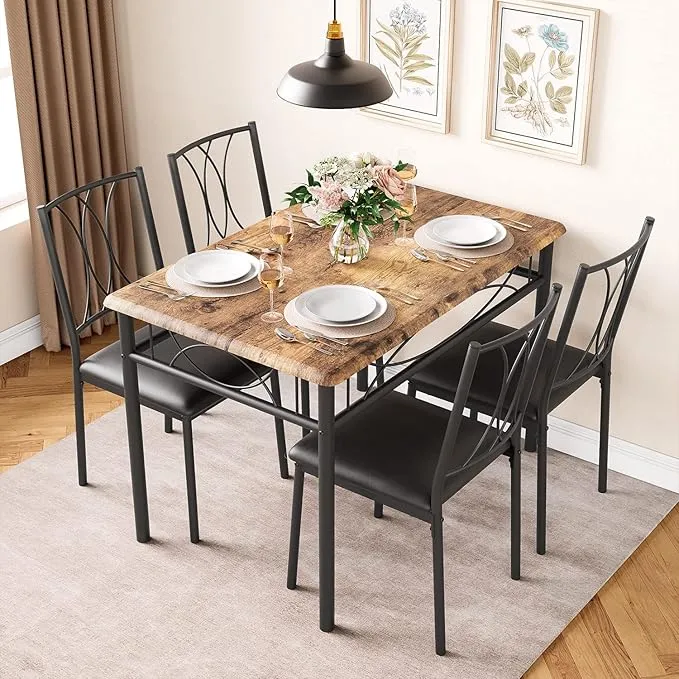
Here are the seven most popular types of interior design styles that continue to shape beautiful spaces around the world.
1. Contemporary Interior Design
2. Transitional Interior Design
3. Minimalist Interior Design
4. Vintage Interior Design
5. Art Deco Interior Design
6. Feng Shui Interior Design
7. Scandinavian Interior Design
What is Contemporary Interior Design?
Contemporary design is all about the present moment. It evolves with current trends, blending sophistication with simplicity. You’ll find clean lines, open spaces, neutral palettes, and statement textures like metal, glass, and natural wood. Functionality drives every choice. Furniture pieces are sleek yet comfortable, lighting is architectural, and decor remains minimal.
In essence, contemporary interior design celebrates the balance between modern aesthetics and livable comfort – fresh, adaptable, and ever-evolving.
What is Transitional Interior Design?
If you can’t decide between modern minimalism and timeless tradition, transitional design is your perfect match. It fuses the warmth of classic interiors with the clean lines of contemporary ones. Think neutral colors, soft textures, and a mix of old and new elements that create visual balance.
The beauty of transitional interior design lies in its flexibility — it feels familiar yet fresh, elegant yet understated, making it one of the most enduring home styles.
What is Minimalist Interior Design?
“Less is more” defines minimalist interior design. Inspired by Japanese Zen principles, it focuses on simplicity, clarity, and intentionality. Every item serves a purpose from low-profile furniture to a neutral color palette that enhances natural light.
This style isn’t about cold emptiness; it’s about creating calm, open spaces that promote mindfulness and order. Minimalism is perfect for those who value serenity and function over excess.
What is Vintage Interior Design?
Step back in time with vintage interior design, where charm and nostalgia take center stage. From retro furniture to antique accessories, this style blends eras with grace — celebrating craftsmanship and history. Rich fabrics, floral prints, and ornate details evoke a sense of comfort and familiarity.
A vintage-inspired interior tells stories through objects — a reclaimed dresser, a rotary phone, or an embroidered chair — all coming together to create warmth and authenticity.
What is Art Deco Interior Design?
Dramatic, luxurious, and bold Art Deco design is a celebration of glamour. It features geometric patterns, metallic finishes, mirrored surfaces, and rich jewel tones like emerald and sapphire. Originating from the 1920s, this style reflects confidence and opulence.
For homeowners who love statement pieces, symmetry, and sparkle, Art Deco interiors bring sophistication and theatrical flair to modern living spaces.
What is Feng Shui Interior Design?
Rooted in ancient Chinese philosophy, Feng Shui interior design revolves around balance and positive energy flow. Furniture placement, color use, and material selection are guided by harmony with natural elements – wood, fire, earth, metal, and water.
This style emphasizes open layouts, uncluttered pathways, and intentional design choices that enhance both mood and well-being. A Feng Shui home doesn’t just look good; it feels right.
What is Scandinavian Interior Design?
Simple, functional, and filled with light, Scandinavian interior design captures the essence of “hygge,” a Danish term for cozy comfort. Natural wood tones, soft neutrals, and minimalist decor create inviting yet airy rooms.
It’s perfect for those who appreciate understated beauty and sustainable living. In a Scandinavian home, every piece has purpose and warmth, turning simplicity into elegance.
How to Choose the Right Interior Design Style?
With so many inspiring directions, how do you decide? Start by reflecting on your lifestyle. Do you crave calm and minimalism, or warmth and nostalgia? Consider your budget, natural lighting, and how you use each space. Don’t hesitate to mix styles; a blend of Scandinavian functionality with vintage charm can create something truly personal.
Choosing the right interior design style means curating a space that reflects who you are not just what’s trending.
Selecting the right style depends on your lifestyle, preferences, and budget.
Here’s how to find the one that fits:
- Assess Your Lifestyle: Choose designs that align with how you live — minimal if you prefer calm, vintage if you love character.
- Define Your Budget: Some styles (like Art Deco) require luxury finishes, while minimalist or Scandinavian can be more affordable.
- Blend Styles: Transitional or contemporary spaces often merge elements from different aesthetics.
Experiment with inspiration boards before finalizing your look, the best design reflects you.
Conclusion
Every interior design style reflects a unique personality, mood, and rhythm. Whether you lean toward modern minimalism, vintage charm, or the serene balance of Feng Shui, your home should tell your story.
Ready to bring your favorite style to life? Hire a professional interior designer to help you visualize, plan, and create interiors that are as beautiful as they are functional.
FAQs
Contemporary, minimalist, transitional, and Scandinavian are leading global trends right now.
Yes! Transitional, eclectic, and modern farmhouse are perfect examples of style-blending done right.
Minimalist and Scandinavian designs often require fewer items, focusing on functionality over quantity.
Look at your favorite furniture pieces, textures, and colors. Your style preference often appears naturally through what you already love.